Why Pilates Is the Original Longevity Workout
Pilates is a method rooted in longevity training, created over a century ago — long before the fitness industry found a word for it. The principles were already in place.
Longevity — A Cultural Shift
Longevity as a wellness aesthetic marks a shift in philosophy, from “look good now” to “live better later” — no longer a concern reserved for later in life, but a lifelong investment that spans every age and stage.
Is Pilates good for longevity?
Yes. Joint-protective movement, functional strength, and a mind-body approach to training were built into the method over a century ago — the same principles longevity fitness asks for today.
Your Fitness and Longevity
From a fitness programme perspective, longevity refers to training that maximises your ‘healthspan’ — the number of years you live healthy, mobile, and functionally independent, not just the number of years you live.
The target shifts too. Not a six-pack. Not maxing out a lift. Not how ‘worked-out’ a session felt or how it looked on camera. The real marker is whether your body still moves well and resists injury, decades from now.
Without this kind of training, most bodies decline slowly and invisibly — smaller ranges of motion, less muscle, more compensation — long before it becomes an obvious problem. Longevity-focused training aims to get ahead of that decline, not undo it later.
Cardiovascular fitness, strength training, mobility, coordination, balance, stability, and recovery are the core pillars of longevity fitness — and these have always been the focus of Pilates.
The Pilates Philosophy
Joseph Pilates built his method — which he called Contrology — as a holistic system for lifelong physical and mental wellness, long before “longevity” was a marketing category. His focus wasn't isolated exercises; it was quality of life itself — a body with a healthy spine, efficient breath, and balanced, coordinated movement, carried through every decade.
Breath, in particular, was never incidental. Controlled, diaphragmatic breathing was built into the method as a way of regulating the nervous system and supporting recovery — one of the pillars longevity fitness now names explicitly.
Longevity Through Pilates
Spinal Health: A supple, strong spine protects against the stiffness and reduced mobility that come with age, keeping the body upright and capable well into later decades.
Core Strength: Strengthening the deep stabilising muscles — not just the visible ones — reduces injury risk, protects the organs, and takes pressure off the lower back during everyday movement.
Joint Integrity: The slow, controlled, low-impact movement of Pilates strengthens the muscles around a joint without the wear that comes from high-rep, uncontrolled movements — the same joint-protective principle longevity training is built on.
Functional Strength: Beyond the joints themselves, Pilates builds efficient movement patterns for daily living — coordination, balance, and eccentric control. The focus is training the body as it actually moves, not isolating single muscles.
Together, these build strength that holds up across decades of daily life — bending, reaching, carrying, climbing. (More on this in “What ‘Functional Fitness’ Actually Means for Daily Life.”)
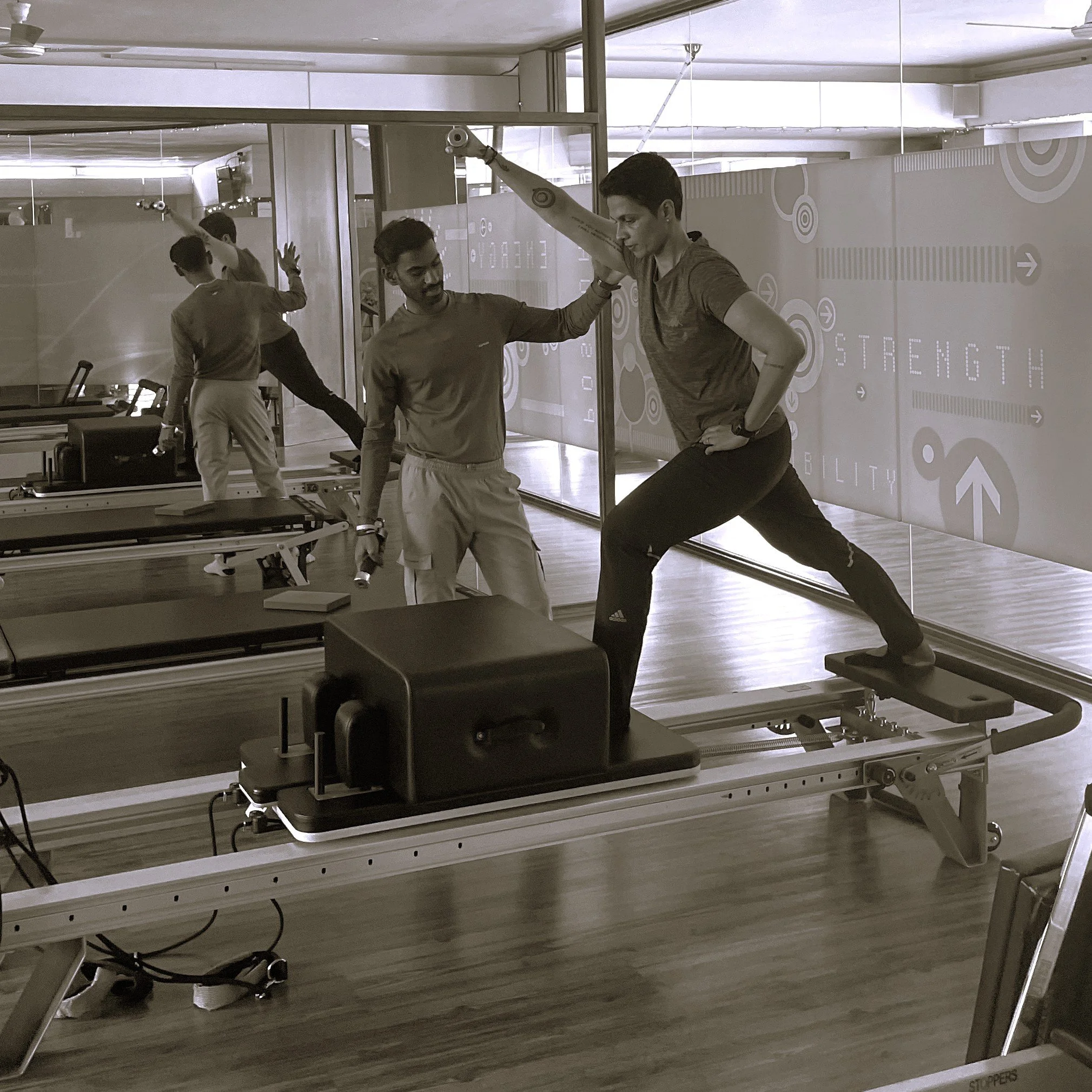
Why is Pilates called a longevity workout?
Because it trains for healthspan — how long a body stays capable — not just how a single session feels or looks.
What This Looks Like in Practice at The Zone
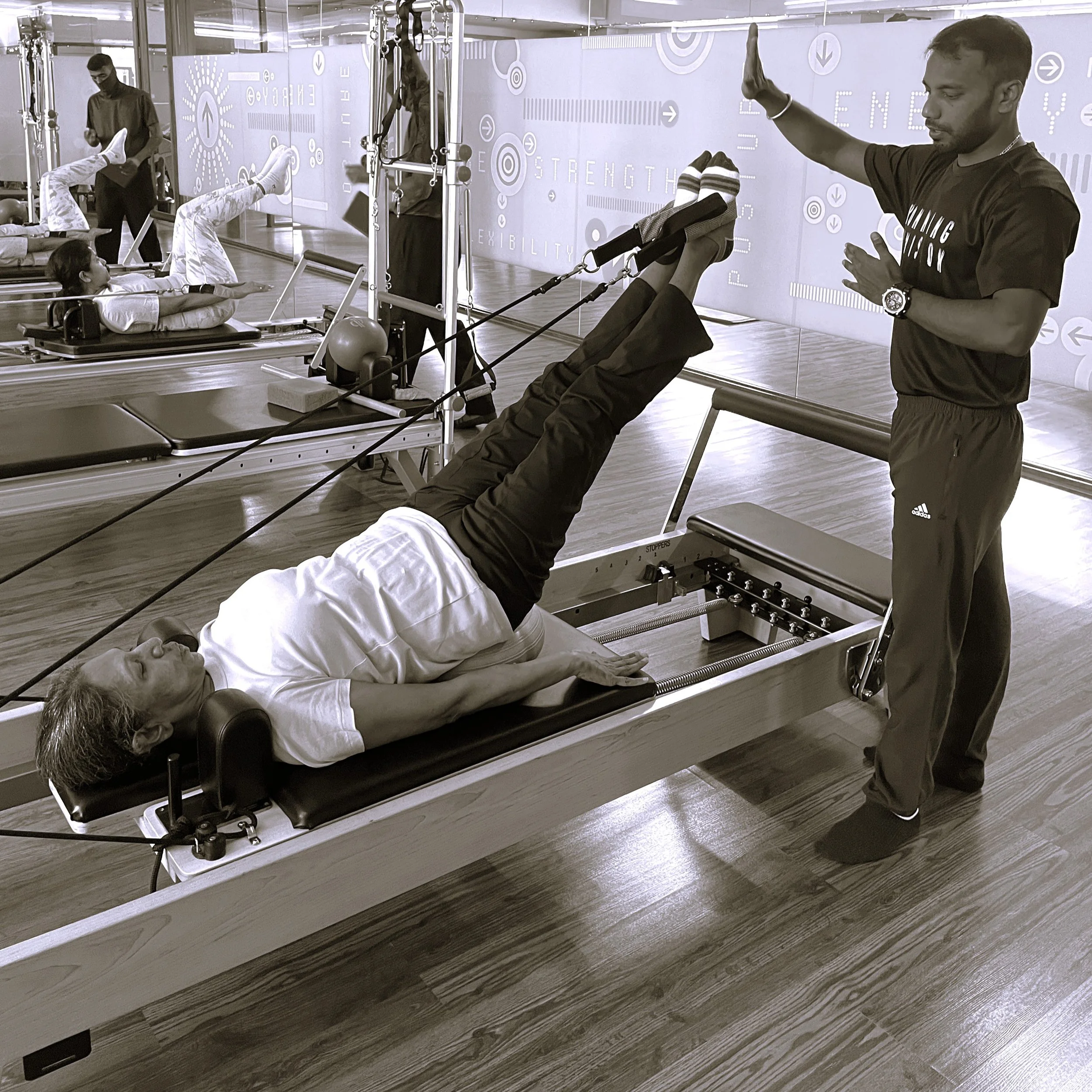
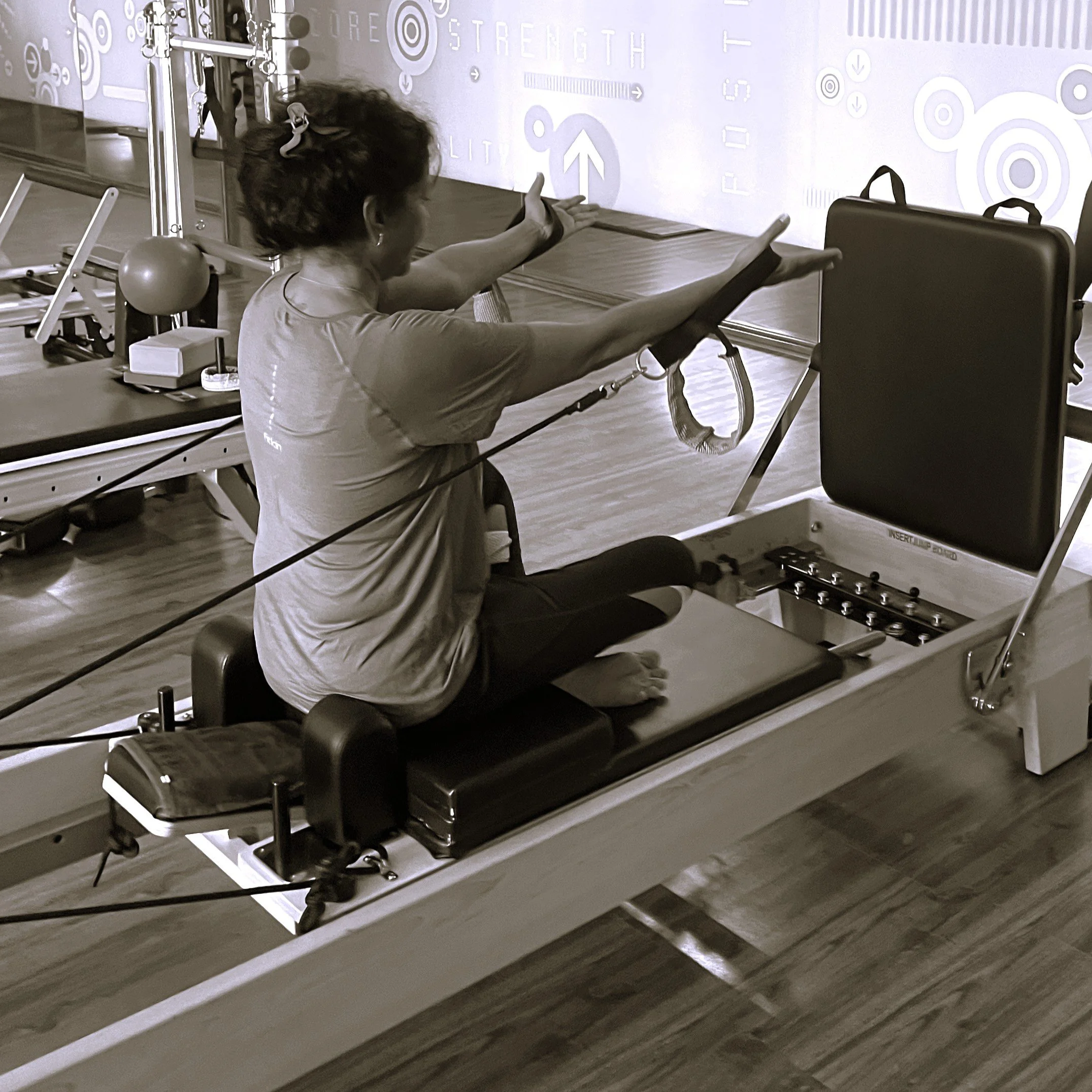
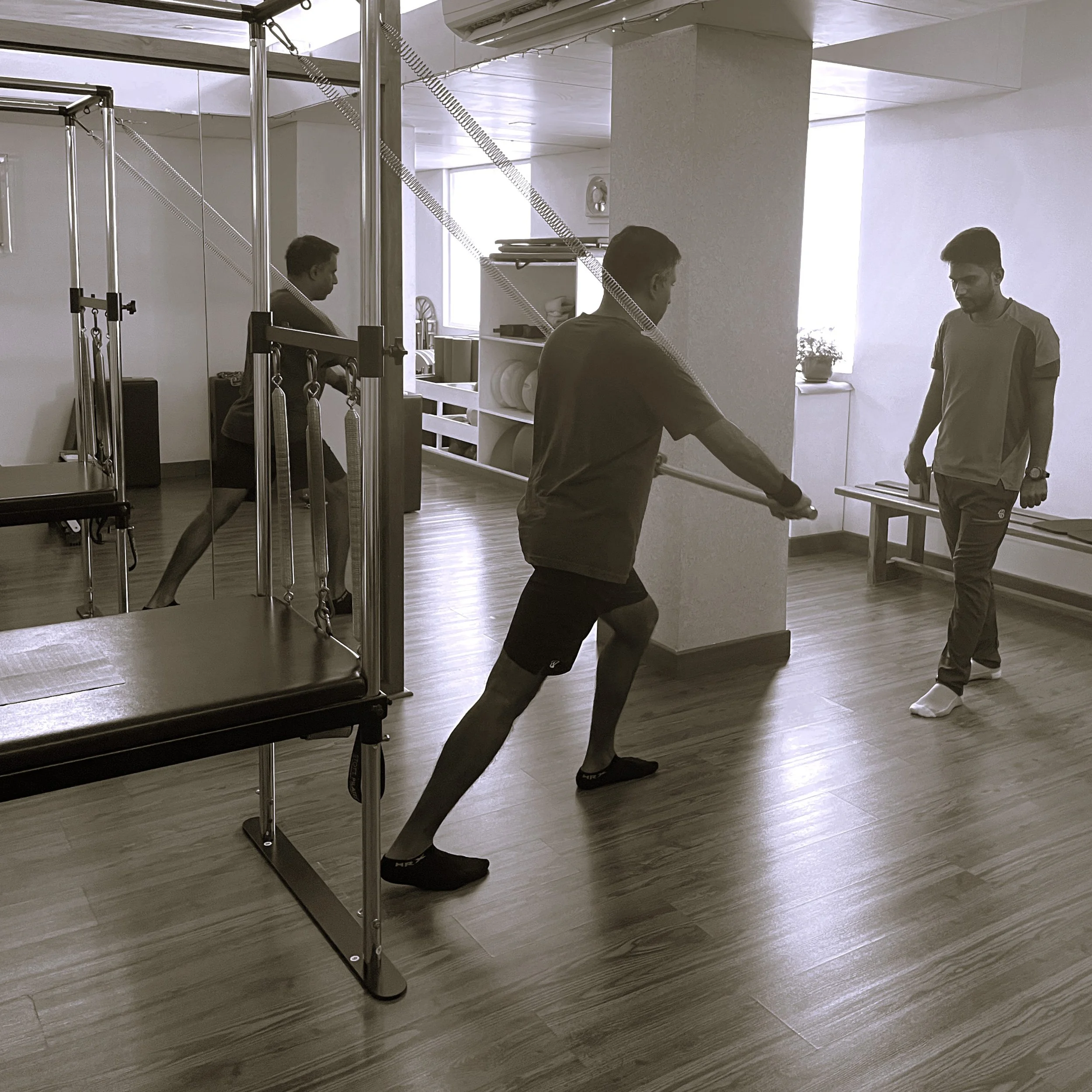
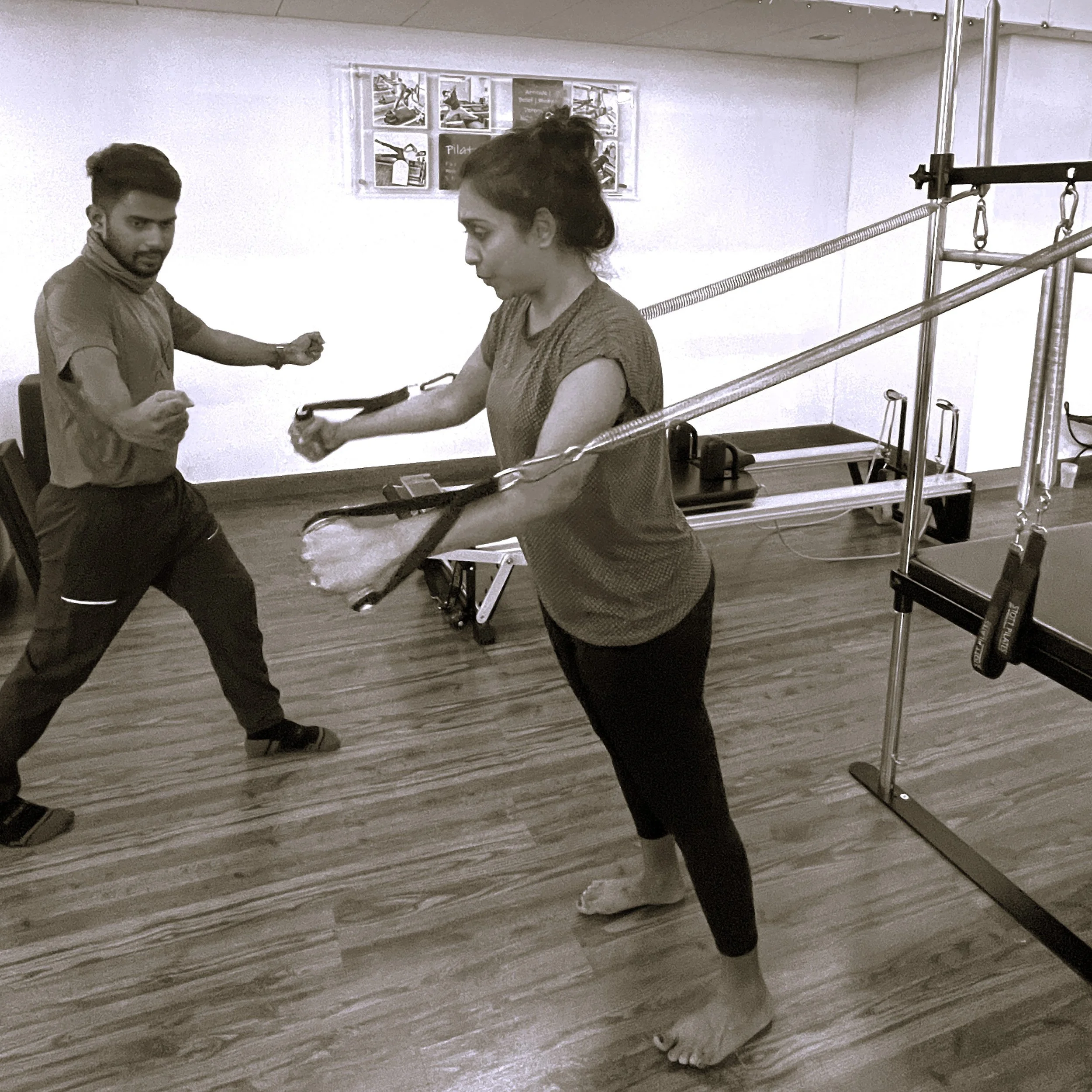
As India's pioneering Pilates studio, we’ve spent two decades doing exactly this — training clients through every stage of life, adjusting the work as their bodies change. Pilates here is delivered exclusively as personal training: private, one-on-one, never a template group class.
That's what makes the longevity principles above actually deliverable. The instructor's full attention stays on your specific joints, training history, and goals — the kind of adjustment a fixed class format simply can't offer.
I see the impact of this daily, in clients training well into their 50s, 60s, and 70s. Many arrive for entirely different reasons — recovering from an injury, correcting posture, managing the changes that come with perimenopause — and stay because the training keeps working for them as their bodies change.
That's the basis of effective long-term training: built to adapt as the body's needs shift, rather than assuming those needs stay fixed.
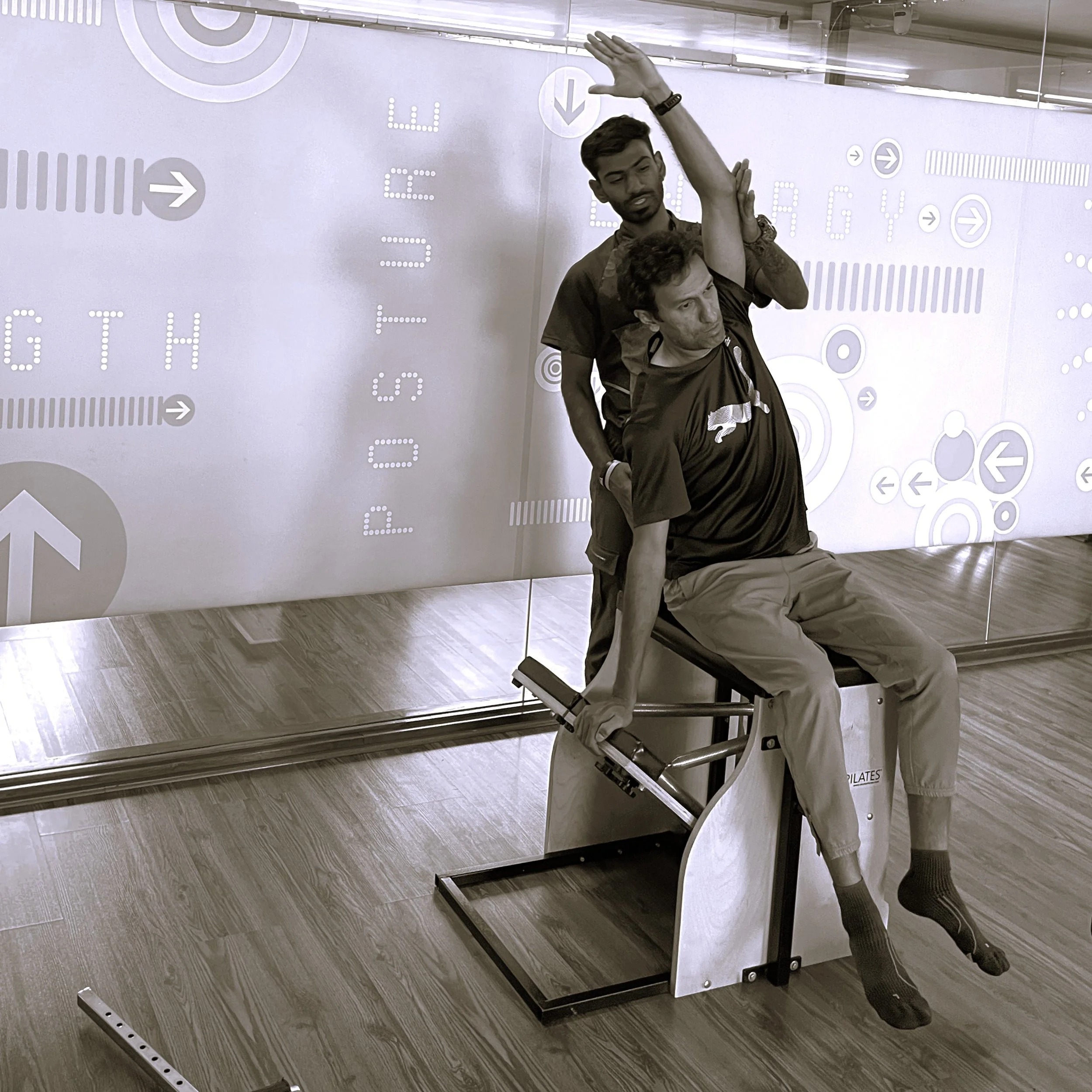
Longevity is a recent addition to the wellness industry's vocabulary. Pilates isn't adapting to fit it. The method was already built on the principles the industry is only now finding the language for.
If this is the kind of training you're looking for — one built around your body's future — a Pilates Personal Training session at The Zone is where that starts.
Anjali Sareen has been in the fitness, rehab, and movement field for over 30 years, based at The Zone Studio in Bangalore.