What “Functional Fitness” Actually Means for Daily Life
You've probably seen the phrase everywhere. “Functional fitness.” On gym hoardings, in app descriptions, in captions describing exercises. It's become one of those fitness terms that gets used so often it stops meaning anything.
Here's what it actually means - and why it matters. Fitness gets measured by what's easy to count far too often - kilos lost, reps completed, classes attended. But they are incomplete measures.
Because the question that actually determines whether your training is working is simpler and more demanding than any of them: can your body do what your life asks of it?
Translating Fitness to Daily Life
People who have been exercising consistently for years can still find daily physical life harder than it should be. The aching back after a long drive. The effort in carrying bags up a flight of stairs. Getting up from the floor - after playing with a grandchild, or simply picking something up - taking more than it should.
This isn't a failure of commitment. These are people who show up and work hard. The problem is a gap between training and living - and it happens when the training isn't addressing how the body actually moves through a day.
Effort alone can't compensate for that.
What “Functional” Actually Means
Strip away the marketing and functional fitness comes down to something straightforward: training the movement patterns your body uses every day.
Push. Pull. Hinge. Squat. Carry. Rotate. Stabilise.
These aren't gym concepts - they're life concepts.
Every time you lift a child, reach for something on a high shelf, sit comfortably through a long meeting, or walk without your hips protesting, you're drawing on these patterns.
The difference between training that builds these capacities and training that doesn't comes down to one thing: are you training muscles in isolation, or are you training movement? A leg extension machine strengthens your quadriceps. But it doesn't teach your hip, knee, and ankle to work together under load - which is what actually happens when you climb stairs or catch yourself from a stumble.
That coordination, that whole-chain connection between joints and muscles, is what functional training develops.
It's also why Pilates has always been ahead of the curve here. Long before “functional fitness" became a buzzword, Pilates was training the body as a connected system - not a collection of parts.
Functional Fitness Looks Different at Every Stage of Life
One-size-fits-all programmes don't work because functional fitness isn't a fixed standard. It's specific to you, and specific to where you are in your life right now.
What the body needs to function well at 32 is genuinely different from what it needs at 52, and different again at 68. For a younger client, functional training builds the movement quality that prevents the injuries that accumulate from years of desk work or playing a specific sport. For a woman navigating perimenopause, it means building the bone density and stability that hormonal changes begin to erode. For a client in their late sixties, it's about maintaining the independence and ease of movement that makes daily life feel like living - not effort.
A programme that doesn't account for where you are in your life isn't functional. It's generic.
Signs Your Fitness Isn't as Functional as You Think
A few honest indicators:
You feel strong in your workouts but stiff and uncomfortable in daily life
Non-exercise physical activity - a long walk, a day of travel, a few hours of gardening - leaves you more depleted than it should
You have persistent aches in everyday positions: sitting, standing, sleeping on your side
You've been exercising regularly for years, but movement still feels like something you push through rather than something that comes naturally
When this is the pattern, the issue usually isn't effort or commitment.
It's that the training isn't addressing how the body actually moves - or needs to move.
What This Looks Like in Practice
At The Zone, every session starts from the same question: how is this person's body meant to move, and what's getting in the way of that?
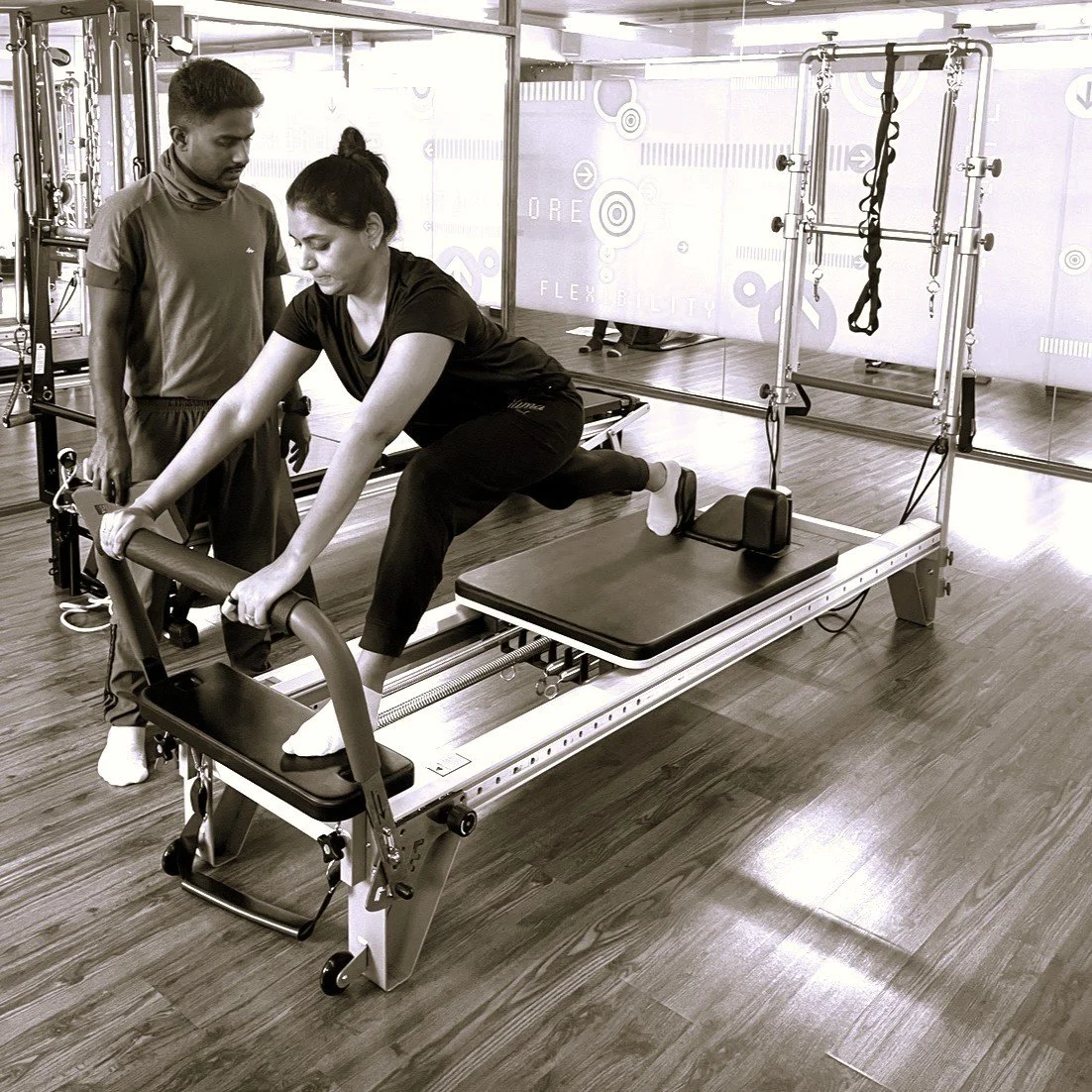
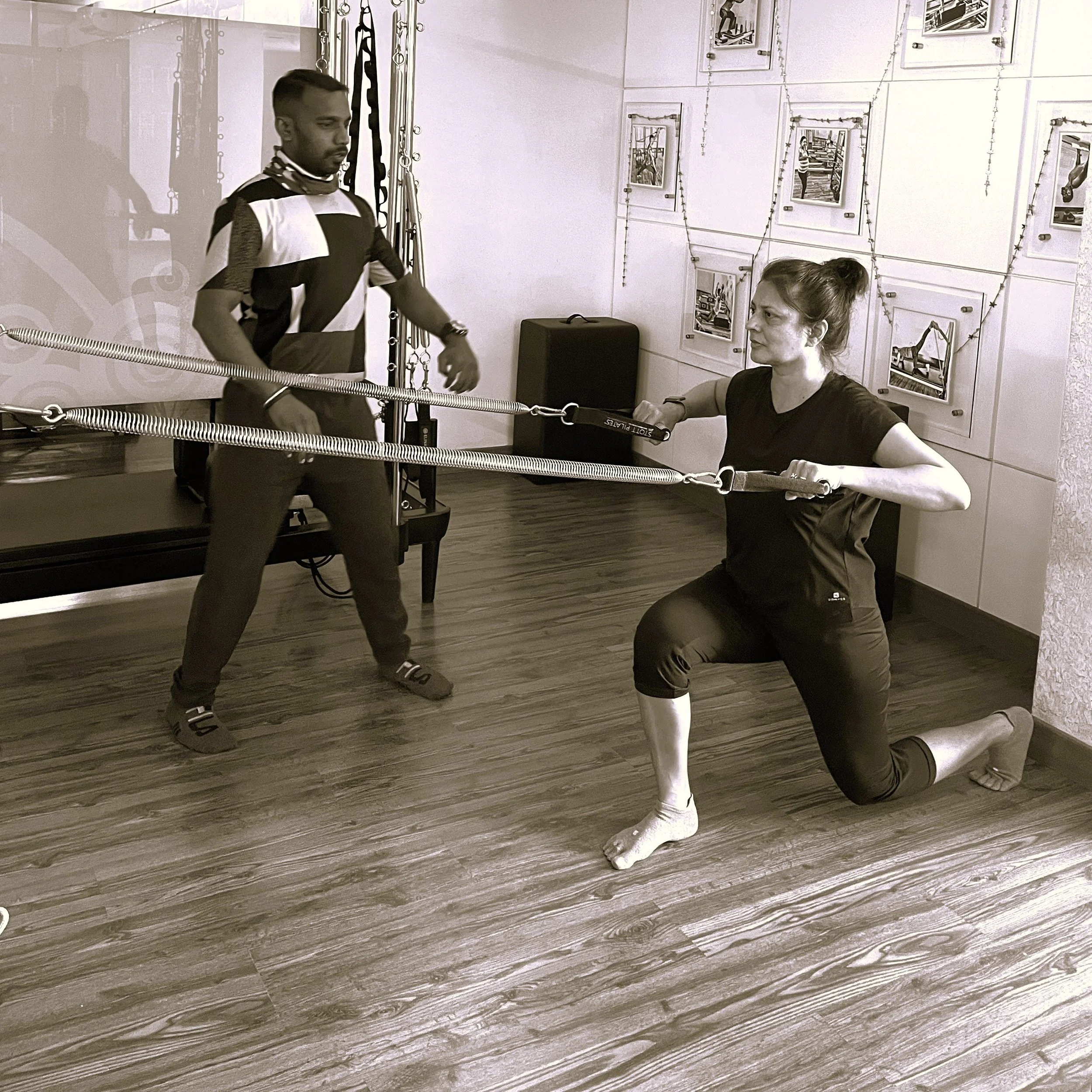
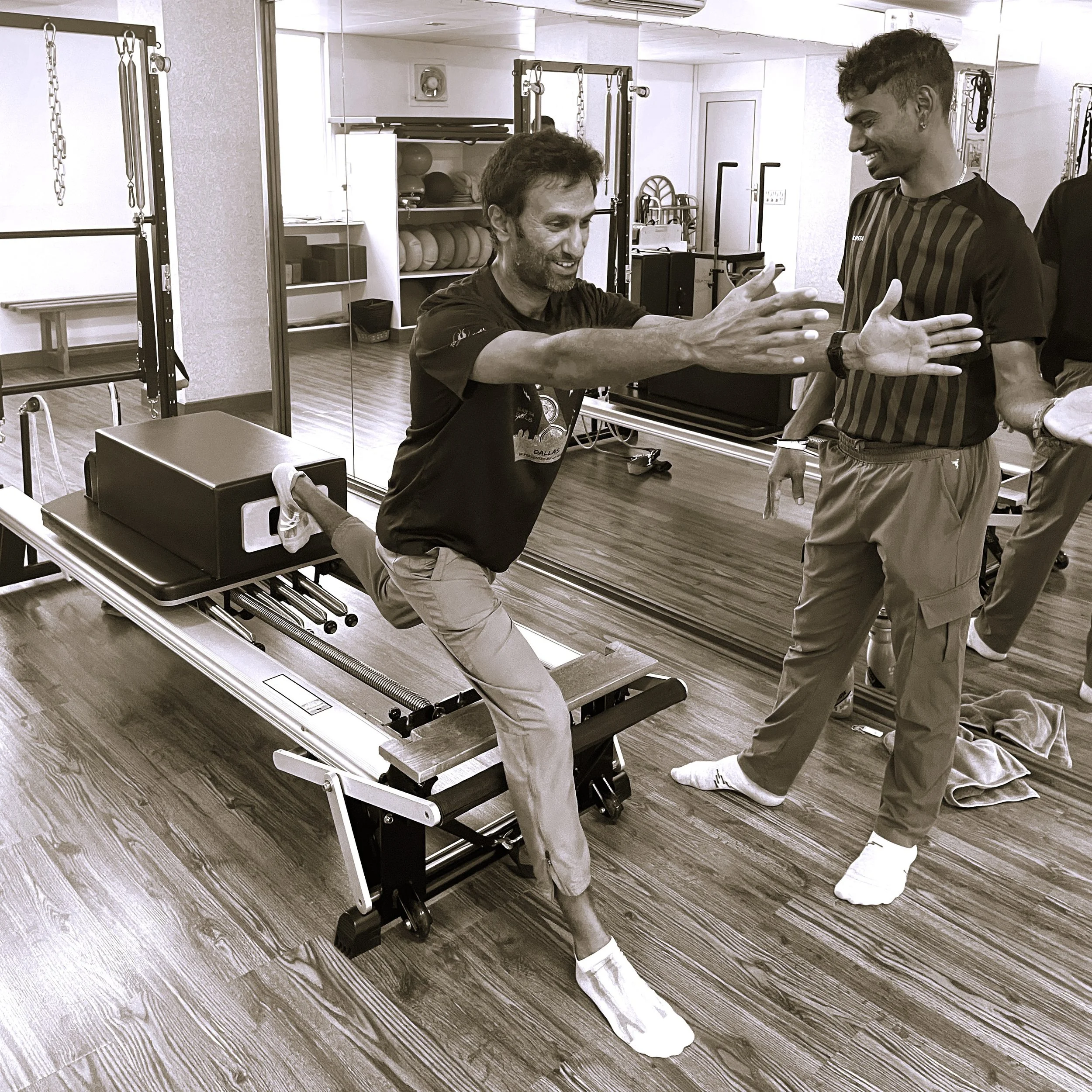
That question produces a different programme for every client. The Reformer is particularly well-suited to this kind of work - because the resistance and support it offers mirrors the loads and positions the body encounters in real life, in a way that builds capacity without reinforcing poor mechanics.
The other piece is attention. In a large class, a compensation pattern - the way the shoulder hikes when the thoracic spine is stiff, the way the lower back takes over when the glutes aren't firing - can go unnoticed for months. In a personal training session, it gets addressed. The body is very good at finding shortcuts. The shortcuts are what cause problems later, and catching them early is a significant part of what good training does.
A Different Way to Measure Progress
A more useful set of questions than what the scale says or how many sessions you've logged: are you moving through your day with less effort than you were six months ago? Is your back quieter? Are you less tired at the end of your day? Did you carry those bags without thinking about it?
Functional progress often shows up in life before it shows up in the mirror. It shows up in the ease of small things - the absence of aches that used to be a constant nagging presence, the ability to do something physical and spontaneous without paying for it the next day. That is the measure that matters.
The Point
The real goal of any fitness programme - the one that makes the most difference to how you actually live - isn't a body that looks more trained. It's a body that functions better. One that moves with less effort and more ease, that meets the demands of your day without protest, that makes the gap between training and living disappear.
That's what functional fitness means. And it's the standard every session at The Zone, in Bangalore, is built around.
If you've been training consistently but still feel like your body isn't keeping up with your life, it may be time to look at how - not just how much - you're training.
We work only in private sessions, by appointment.