
Why You Keep Losing Motivation (And How to Fix It)
Three weeks into a new program and already exhausted. You chose it because it worked for someone else - a colleague, a friend, someone online. Now you're wondering what went wrong.
Here's the truth: staying motivated isn't about willpower or discipline alone.
It's about building a fitness and nutrition approach that actually fits your life, your body, and your personality.
Let's break down how to do exactly that.
Stop Chasing Trends - Find Your Personal Fit
That viral workout program promising dramatic results in 30 days? It might work brilliantly for someone else and be completely unsustainable for you. The problem with trends is that they're designed for mass appeal, not individual success.
If skipping meals leaves you lightheaded and unable to focus, that eating pattern isn't for you - regardless of who swears by it. If you find weightlifting intimidating or boring, forcing yourself to follow a powerlifting program because it's "what works best" will only lead to burnout.
Try different activities - swimming, Pilates, strength training, dancing, hiking - and pay attention to how you feel during and after. What leaves you energized rather than depleted? What fits naturally into your schedule? What do you actually look forward to?
The same applies to how you eat. Pay attention to what keeps you energized throughout the day - the timing of your meals, the types of foods that sustain you, the portions that leave you satisfied rather than sluggish or still hungry.
Think also about what you want to do outside the gym. Love weekend hikes but struggle with the climbs? Focus on building leg strength and cardiovascular endurance. Enjoy recreational sports and adventure activities with friends? Training that improves agility and reduces injury risk makes more sense than a bodybuilding program.
Your fitness routine should support the life you want to live, not just be something you check off a list.




Explore Pilates Personal Training at The Zone, Bangalore
Sustainable fitness isn't about what's trending.
It's about what keeps you coming back.
Community Can't Replace Compatibility
There's something very appealing about group fitness - the energy, the accountability, the friendships. But here's where many people stumble: they choose workouts based on who's there rather than what their body actually needs.
That high-intensity class - you love being a part of with your friends - leaves you feeling exhausted or injured. The running group you keep up with - when you actually need strength training - just because that post-run coffee is so much fun.
The solution is to seek out individuals doing activities that align with YOUR goals.
Your Body, Your Blueprint
Someone loses weight and suddenly everyone wants to know exactly what they ate. 'Just eat what I eat,' they say. It has to be the most unhelpful guidance you can get.
Your body isn't their body. You have different energy demands, different schedules, different responses to foods. What leaves someone else feeling strong might leave you depleted.
Extreme restriction might show quick changes for someone else, but those approaches often backfire - you regain what you lost, your energy crashes, and food becomes a source of stress rather than fuel.
Instead, notice your own patterns. Which foods give you sustained energy versus a quick spike and crash? When are you genuinely hungry versus eating out of habit or stress? What keeps you feeling capable throughout your day? Your body will tell you what it needs if you're willing to listen.
Your body will tell you what it needs if you're willing to listen.




The Power of Realistic Goal-Setting
Overcommitment - the undoing of fitness goals. You decide you're going to work out six days a week, completely change how you eat, and never miss your morning routine. Impressive - but also probably unsustainable.
Here's a better approach: start smaller than you think you need to. Want to build a workout habit? Begin with two days a week, not six. Want to improve your diet? Start with one change, don't overhaul everything at once.
This strategy builds genuine habits because it removes the all-or-nothing thinking that leads to abandonment.
You're creating consistency, not perfection.
Celebrate the small wins. You showed up today. You chose the healthier option at lunch. You moved your body even when you didn't feel like it. These moments add up to transformation.
Invest in Professional Guidance
One of the smartest investments you can make is working with experienced professionals who understand individual differences.
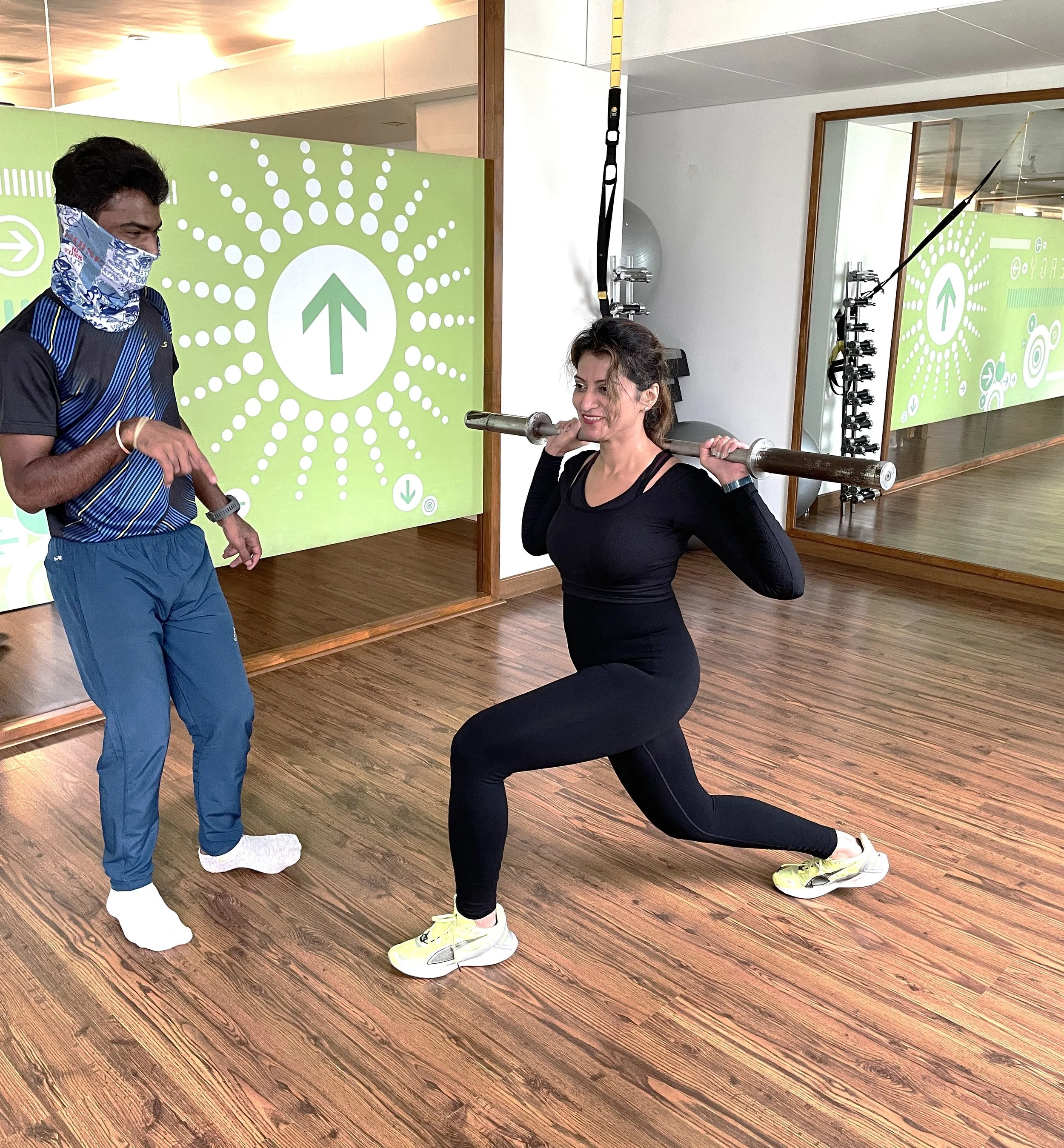
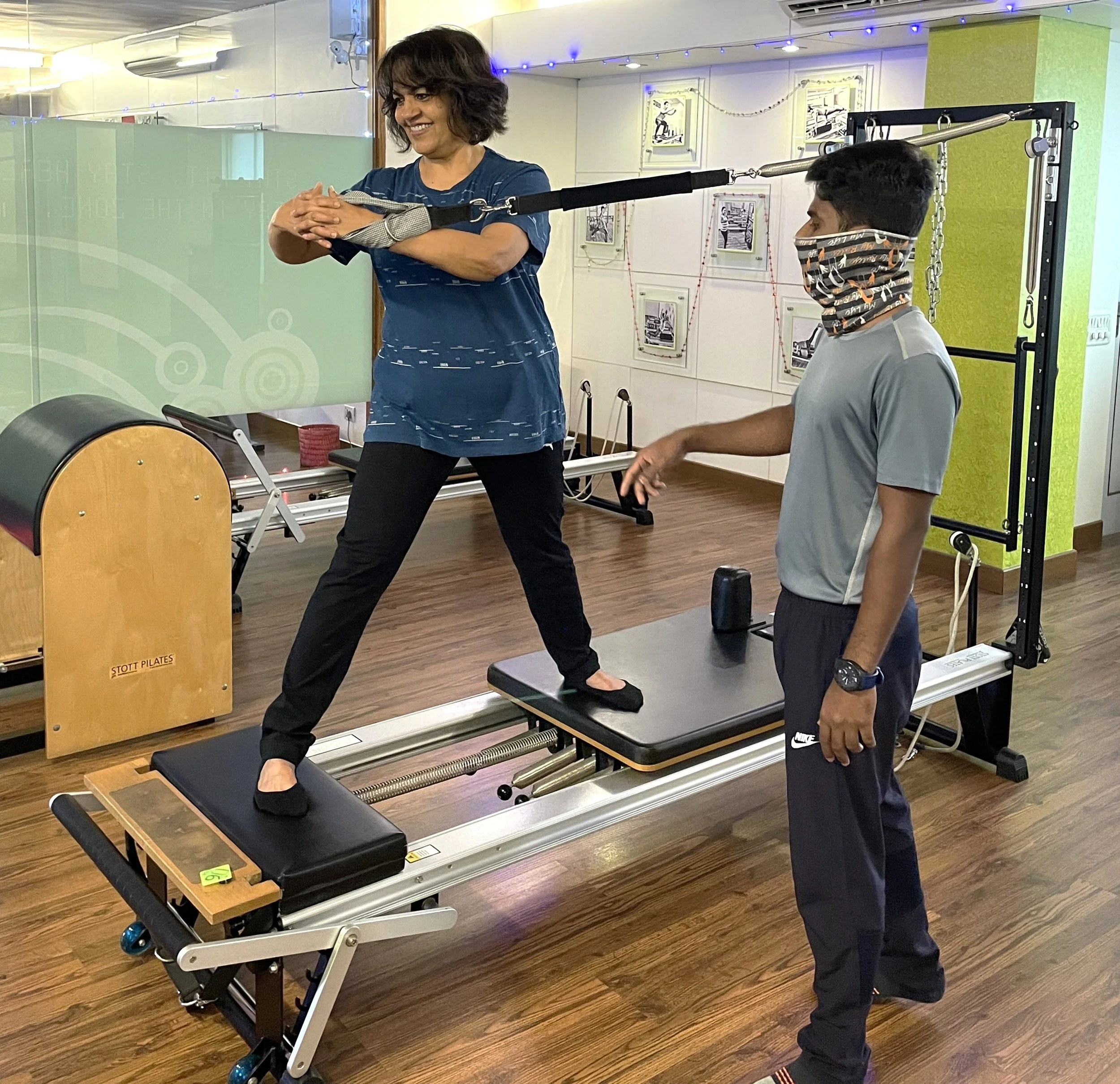
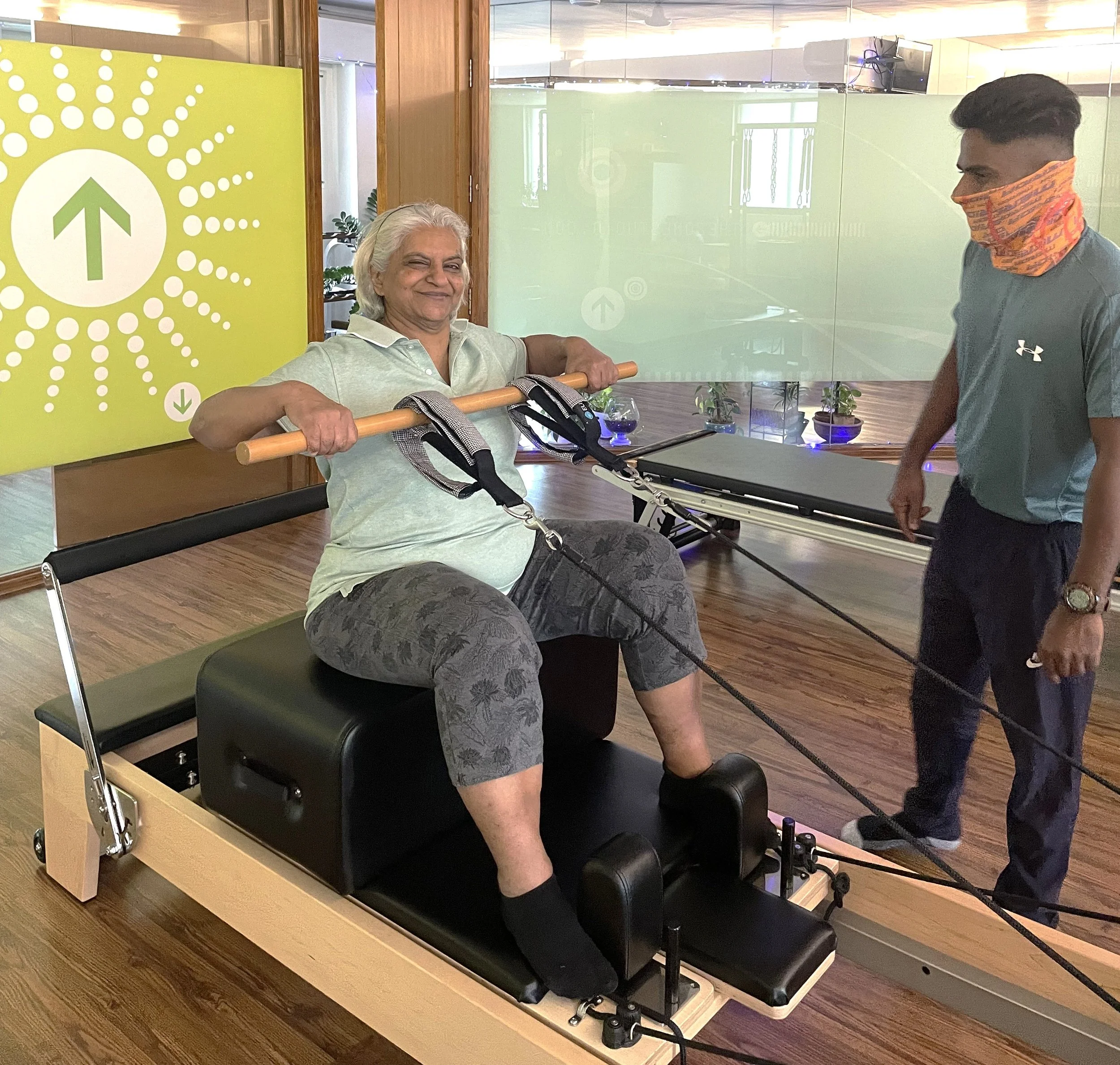
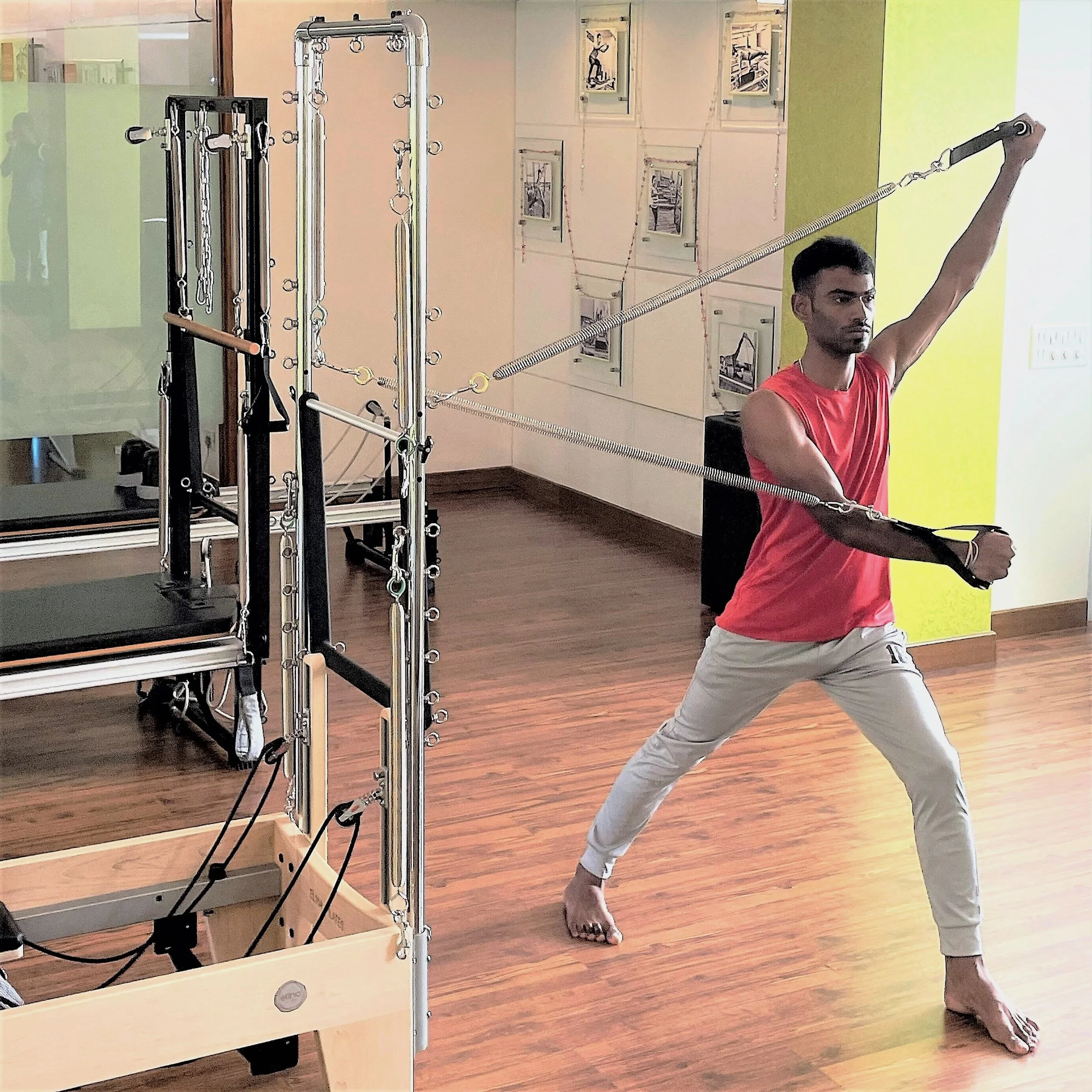
A good instructor doesn't just give you exercises; they assess your movement patterns, identify imbalances, and create programming that addresses your specific needs while preventing injury. They build training that's effective for your body, not a template that works for everyone.
Yes, this costs money. But the alternative: months or years of wasting your energy and time with ineffective programs along with potential injuries or burnout. Professional guidance accelerates results because it's built for you, not for everyone.
You want someone whose philosophy aligns with sustainable, long-term health rather than quick fixes.
Building Your Motivation System
Motivation will go through ups and downs - that's normal. The goal is creating systems that carry you through the low moments.
Track your progress in ways that inspire rather than discourage. Find what motivates you specifically - maybe that’s maintaining a detailed record, noting how you feel after workouts, or celebrating strength gains rather than just scale numbers.
Set up your environment for success. Block time for your sessions the way you'd block a work meeting. Remove the barriers that make it easy to skip - whether that's keeping your workout clothes ready or scheduling sessions at times you know you'll show up.
Most importantly, practice self-compassion.
Missed workouts and imperfect eating days don't erase your progress.
They're part of the journey, not evidence of failure.
Your Journey, Your Rules
Fitness and nutrition aren't one-size-fits-all solutions, despite what the internet wants you to believe. They're personal journeys that require self-awareness, patience, and the courage to do what works for you even when it looks different from everyone else.
Stop comparing your chapter one to someone else's chapter twenty. Start building a sustainable approach specific to your body, your preferences, and your life.
Choose one personalized change to implement this week.
Just one. Make it yours, make it realistic, and make it happen. That's where real transformation begins.
Read client stories from The Zone Studio, Bangalore to know what works for them.