
Is Walking Enough Exercise? What You Need to Know
Walking - believed by many to be the perfect exercise - is easily accessible, low-impact, free, and requires no equipment. It is the most recommended exercise by health authorities worldwide.
But the truth, that many fitness enthusiasts discover the hard way: walking alone doesn't give you the complete fitness spectrum your body needs to stay functionally strong, mobile, and injury-free as you age.
The Real Benefits of Walking (And Why They Matter)
Walking is exceptionally good for cardiovascular health, weight management, stress reduction, and boosting mood and energy levels. It's weight-bearing but gentle enough for almost everyone to do daily. It’s a valuable starting point for those wanting to adopt a more active lifestyle, recovering or rehabilitating or with special concerns. The problem isn't walking itself, it's assuming it's enough.
What’s Missing
Your body is designed to move in multiple directions - forward and backward, side to side, and rotational, allowing for movements such as walking, bending, twisting, and reaching in varied directions.
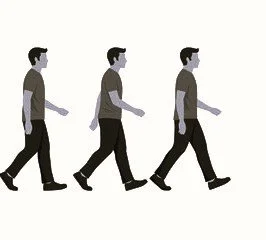
Walking is done primarily in one plane of movement: forward.
When you limit yourself to only walking, you’re leaving important aspects of your fitness unaddressed.
The Strength Gap
Building strength – especially in your upper body, core, or the stabilizing muscles around your joints – is not a goal of walking. As we age, we naturally lose muscle mass - without adequate strength, everyday tasks become harder, balance deteriorates, and injury risk increases. You need strength training that works all muscle groups evenly.
Mobility Concerns
Walking involves using your legs through a limited range of motion, it doesn't challenge or maintain the full mobility of your hips, spine, shoulders, or ankles. Over time, this leads to reduced range of motion in your joints, causing stiffness, compensatory movement patterns, and eventually pain or dysfunction.
Joint Integrity and Stability
Your knees, hips, ankles, and spine need strength in multiple directions and positions to remain stable and resilient. Without this targeted strengthening, you're more vulnerable to injury - ironically, even while walking.
Core Strength and Postural Control
True core strength isn't just about your abs. It's about the deep stabilizing muscles that support your spine, pelvis, and ribcage in all positions and movements. Walking engages these muscles minimally. Without focused core work, you may develop poor posture, back pain, and reduced functional capacity.
The Complete Fitness Spectrum
A well-rounded fitness program addresses: cardiovascular endurance, muscular strength, muscular endurance, mobility, flexibility, balance, and coordination. Walking primarily addresses cardiovascular endurance and, to some extent, muscular endurance in the lower body. Everything else requires specific additional training.
This is where Pilates enters the picture as the ideal complement to balance your walking routine.
Why Pilates Fills All the Gaps
Pilates is uniquely positioned to address the missing fitness elements from your walking routine. It's not just another workout - it's a comprehensive movement system designed to build strength, mobility, control, and body awareness simultaneously.
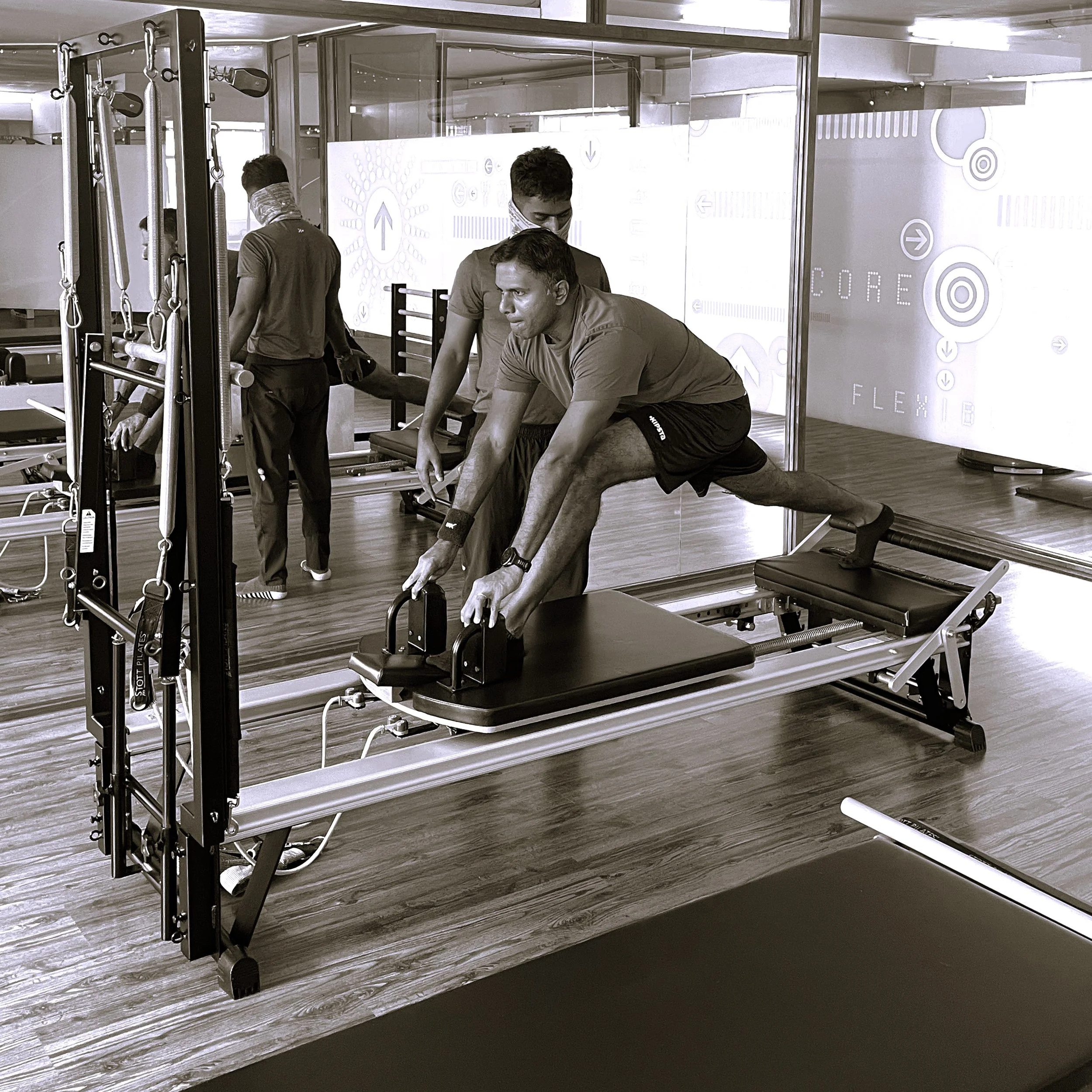
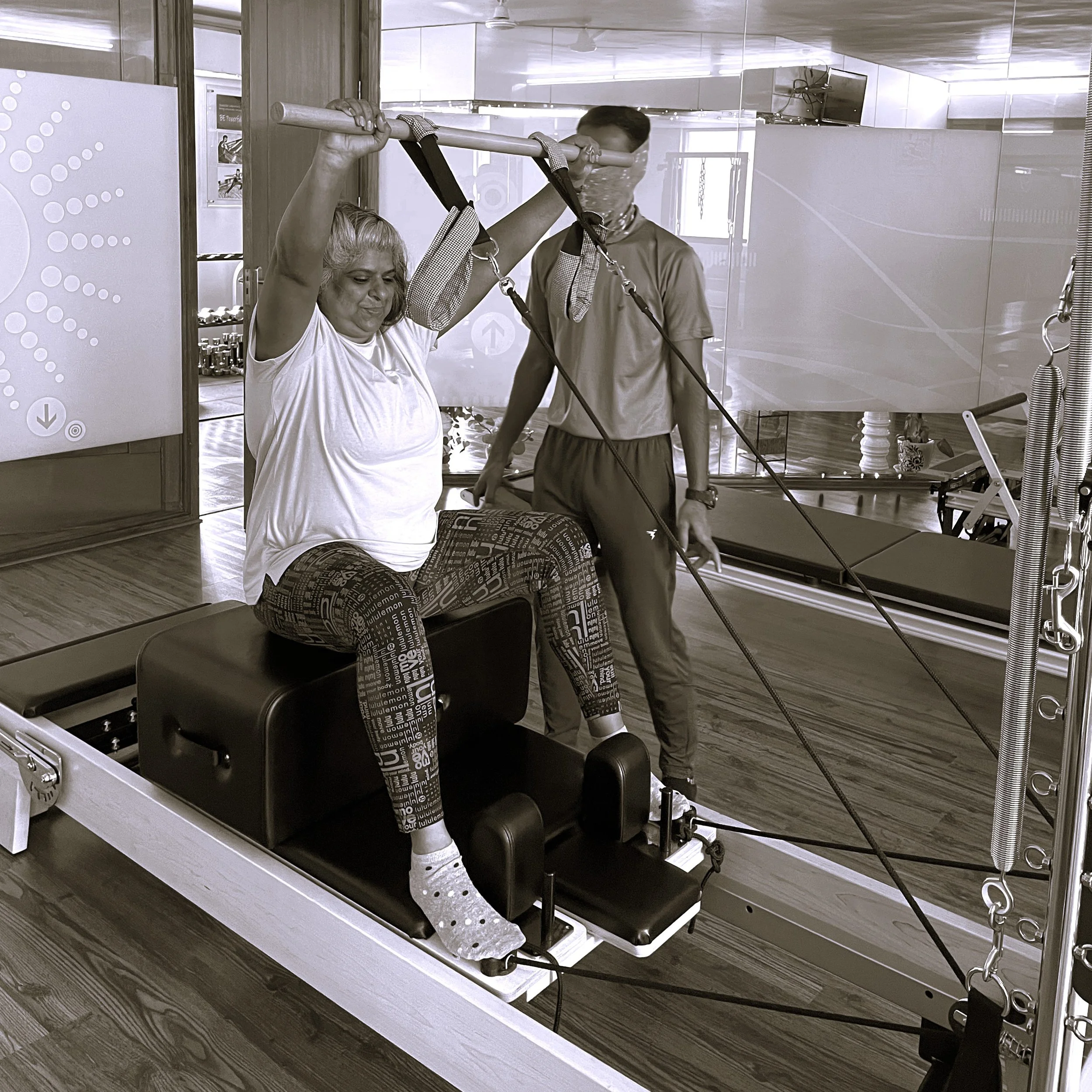
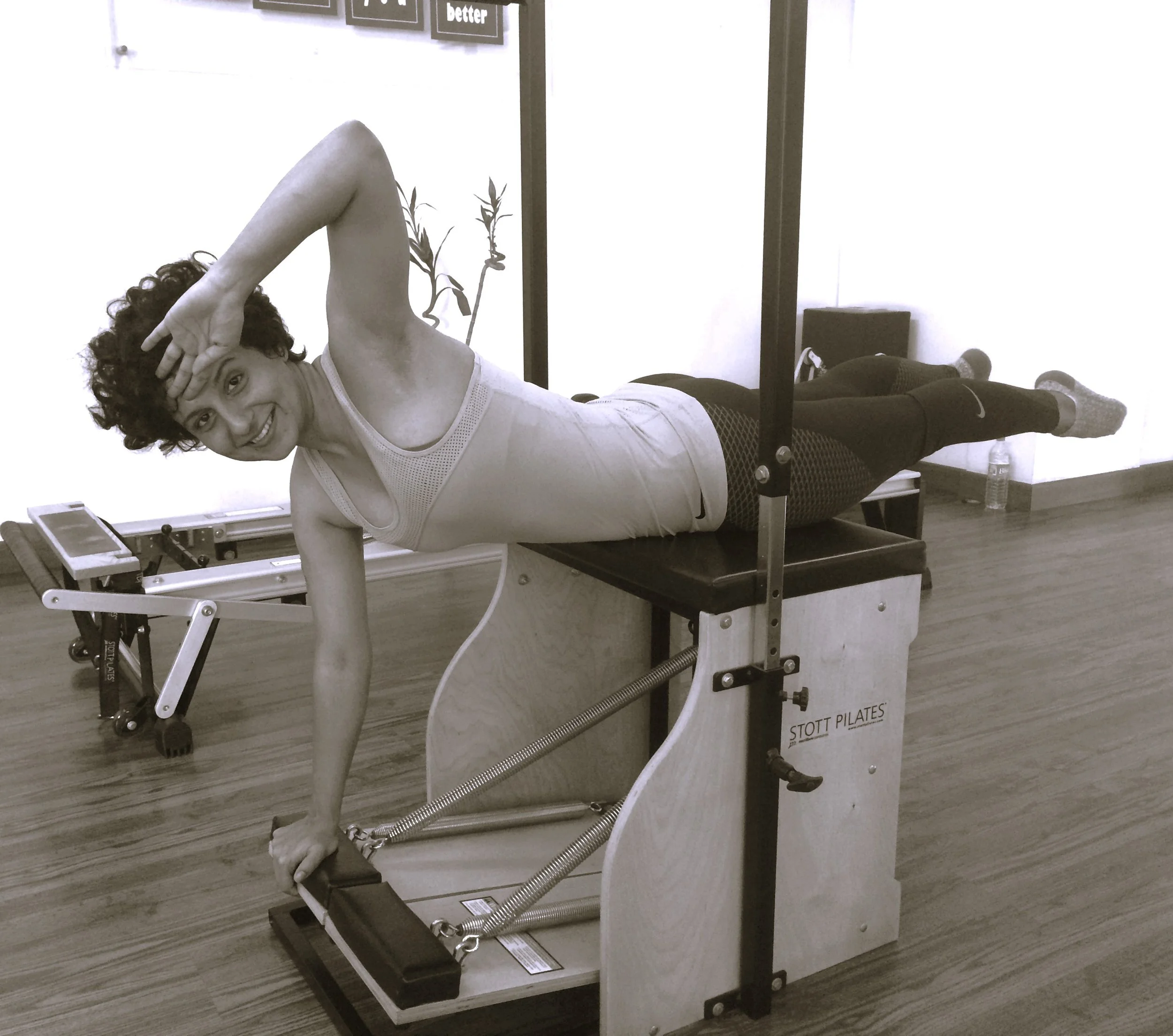
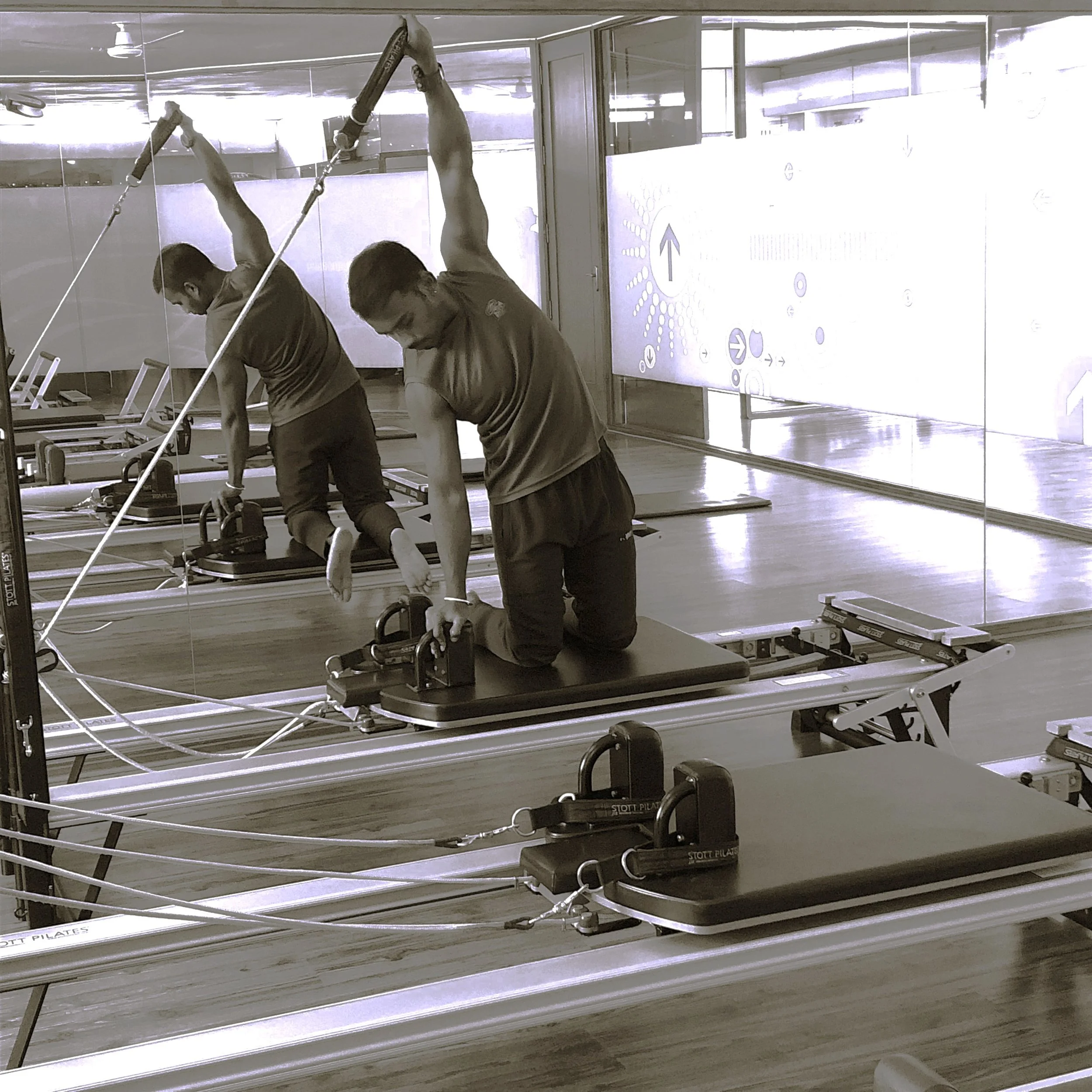
Core and Functional Strength
Every Pilates exercise is a core exercise - building functional strength that translates to everything you do, from carrying groceries to preventing falls.
Beyond the core, Pilates builds balanced strength throughout the entire body - addressing muscular imbalances and postural concerns. You'll work your upper body, lower body, and torso muscles through controlled, precise movements that challenge stability and strength simultaneously.
Mobility and Flexibility
Pilates exercises take your joints through their full, functional range of motion in all directions - you'll work your spine, hips, and shoulders in multiple planes. This comprehensive approach to mobility keeps your body supple, reduces stiffness, and enables everyday freedom of movement.
Balance and Coordination
Pilates challenges your balance and coordination in ways walking doesn’t. You'll work on unstable surfaces, with asymmetrical loads, and in positions that require precise control. This translates to better balance in daily life and a reduced risk of falls - particularly important as we age.
Performance Enhancement
Worldwide, athletes across every discipline use Pilates to enhance their performance. Why? Because it addresses the foundation that all athletic movement builds upon: core stability, body awareness, breath control, balanced strength, and injury-prevention. Whether you're a runner, a tennis player, or simply someone who wants to move better in daily life, Pilates improves the quality of your movement patterns and reduces compensation that can lead to injury.
Our Sports Performance programs at The Zone are specifically designed to help athletes of all levels optimize their movement and prevent overuse injuries that result from single-sport focus.
Rehabilitation and Injury Recovery
Pilates was originally developed as a rehabilitation method, and that foundation remains its strength. Whether you're recovering from an injury, managing chronic pain, or dealing with post-surgical limitations, Pilates offers a safe, progressive path back to function. The exercises can be modified to work around injuries while still challenging the rest of your body.
At The Zone Studio, our Rehabilitation programs combine over three decades of expertise to help clients recover from injuries or compensatory patterns - while building the strength and stability needed to prevent future problems.
Building Your Complete Fitness Routine
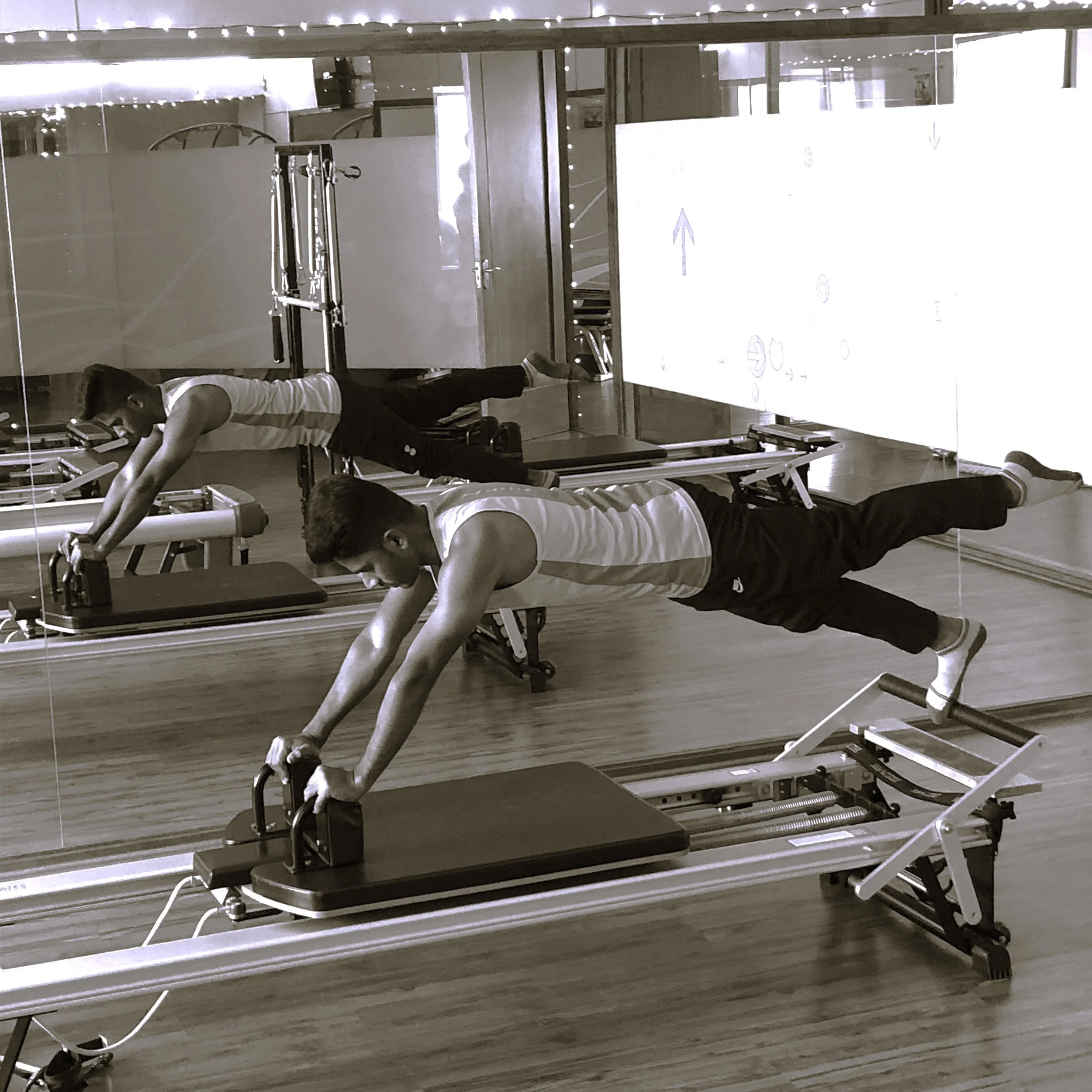
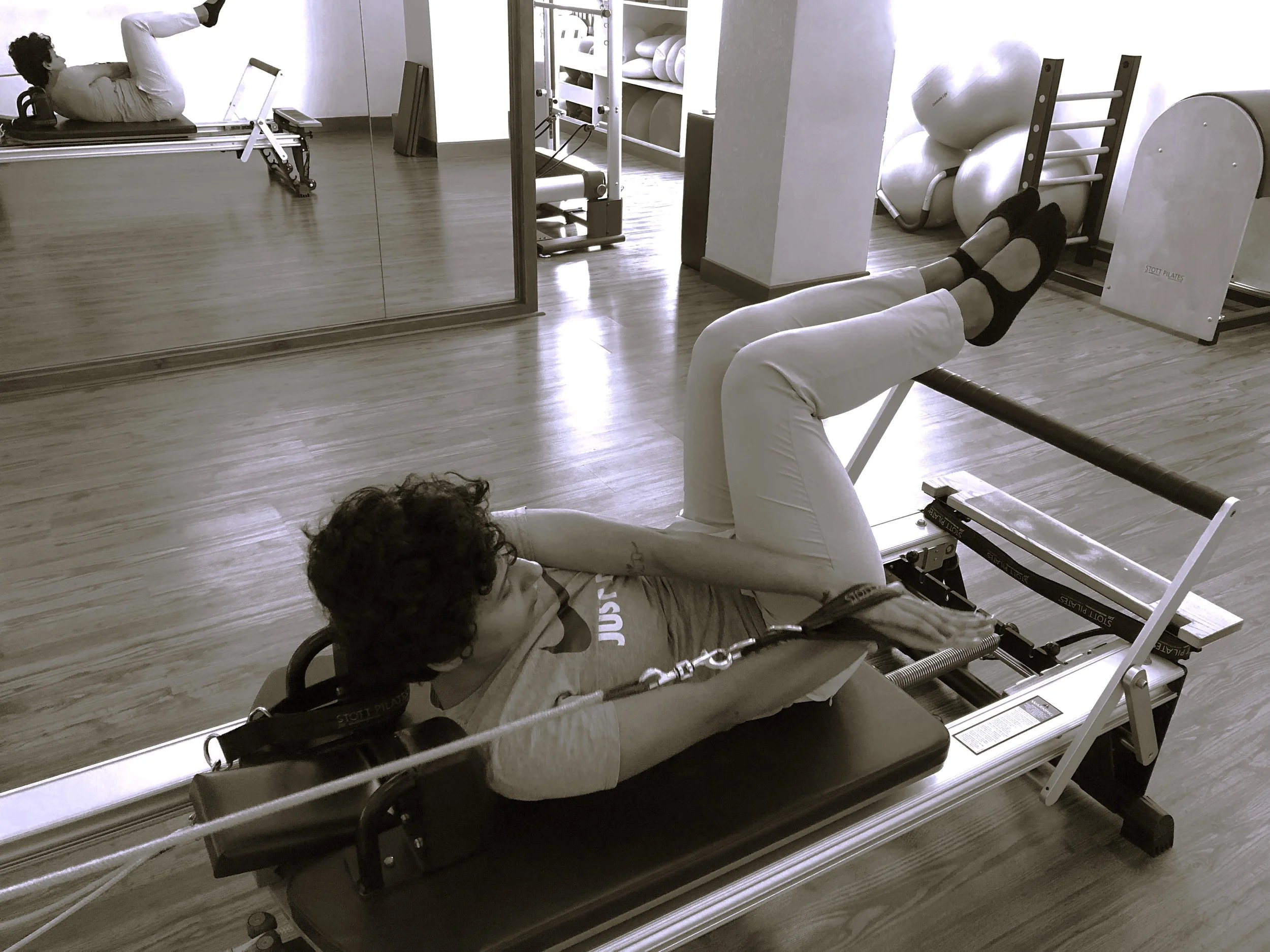
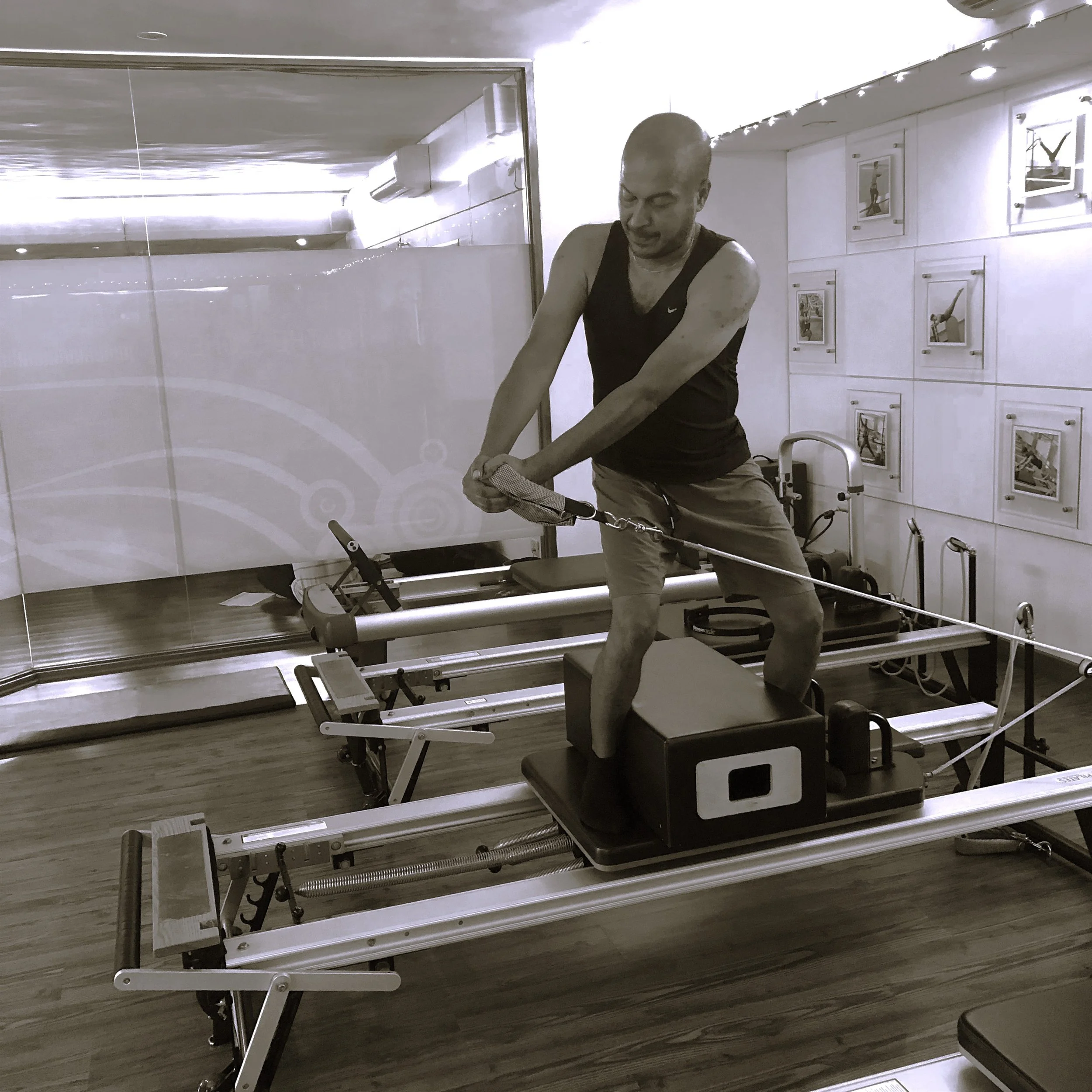
The goal isn't to choose between walking and other forms of exercise. It's to create a balanced approach that gives your body everything it needs - building cardiovascular fitness, maintaining and building strength, preserving mobility, and keeping your body resilient against injury.
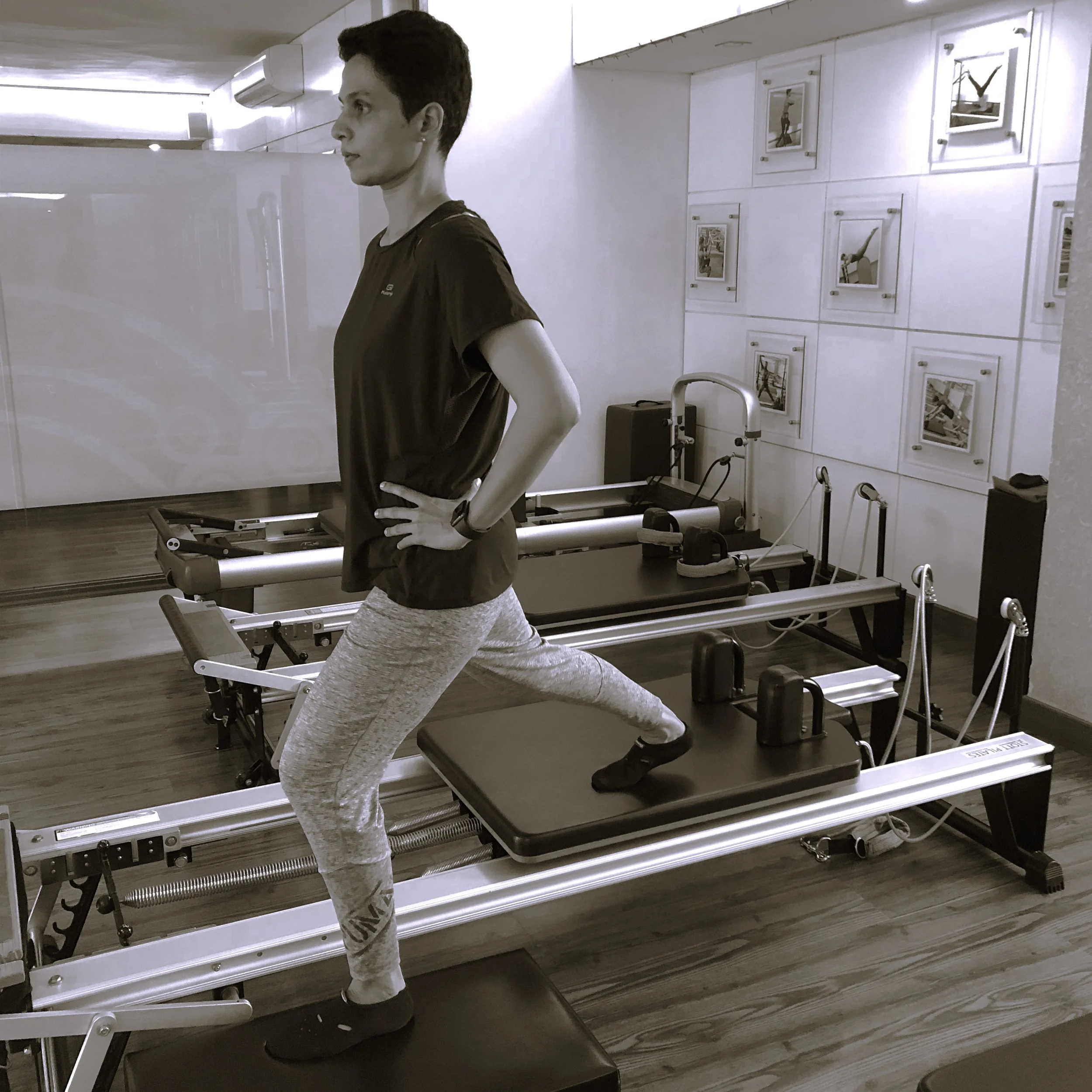
This might mean walking daily for cardiovascular health, combined with 2-3 Pilates sessions weekly for strength, mobility, and injury prevention.
The Long Game
Exercise isn't just about the immediate or short-term goals. It's about maintaining function and quality of life for decades to come. Walking is one part of that picture, but it's not the whole picture.
The people who age most successfully - who remain strong, mobile, and active well into their later years - are those who maintain a diverse movement practice. They don't just walk; they strength train, they work on balance, they challenge their bodies in multiple ways.
Pilates offers all of this in a single, integrated system. Whether you're recovering from an injury or simply want to feel stronger and move better in your daily life or want to pursue outdoor sports and activities - Pilates complements your walking routine by filling every gap, creating a truly complete fitness practice.
Your Next Step
If you're currently walking for fitness (or even if you're completely new to exercise), consider adding Pilates to create a truly complete fitness program. Your joints will be more stable, your core stronger, your posture better, and your risk of injury significantly reduced.
At The Zone Mind and Body Studio, we've spent over 30 years helping people build sustainable, comprehensive fitness practices that support them for a lifetime.
Our Pilates Personal Training programs are designed for every fitness level and every goal - from rehabilitation to performance enhancement.
Because here's what we know after three decades in this field: the people who thrive aren't the ones who find the one perfect exercise. They're the ones who build a balanced, sustainable practice that addresses every aspect of fitness.
Walking is wonderful. Keep it in your routine. But give your body the complete spectrum of movement, strength, and mobility it deserves.
Choose to workout for a lifetime.
For your mind and body.
Ready to build a complete fitness practice?
Contact us to learn how Pilates can complement your current routine and fill in the gaps that walking leaves behind.