The Two Foundations of Pilates Studio Success: Equipment and Instructors
Expert insights from India's Pilates pioneers on avoiding costly mistakes
Opening a Pilates studio is easy. Opening a successful one? That requires expertise - particularly in two areas that are often underestimated: equipment selection and instructor quality.
Anjali Sareen and Sharat Sareen have spent over three decades in fitness and wellness, pioneering Pilates in India twenty years ago. They recognized Pilates' profound potential for transforming physical health and mental well-being long before it became mainstream. Through The Zone Studio, they've learned what separates thriving studios from those that struggle - and it comes down to these two critical foundations.
1. Equipment: The Foundation of Your Studio
As Sharat Sareen emphasizes: “Pilates is mainly done on equipment. So, the right equipment matters - for a quality offering and high client experience.”
This isn’t an overstatement. Unlike many fitness disciplines where equipment is supplementary, Pilates equipment forms the basis of the system. The Reformer, Cadillac, Chair, Barrel, and Tower are the tools that enable the precise, controlled movements that make Pilates effective.
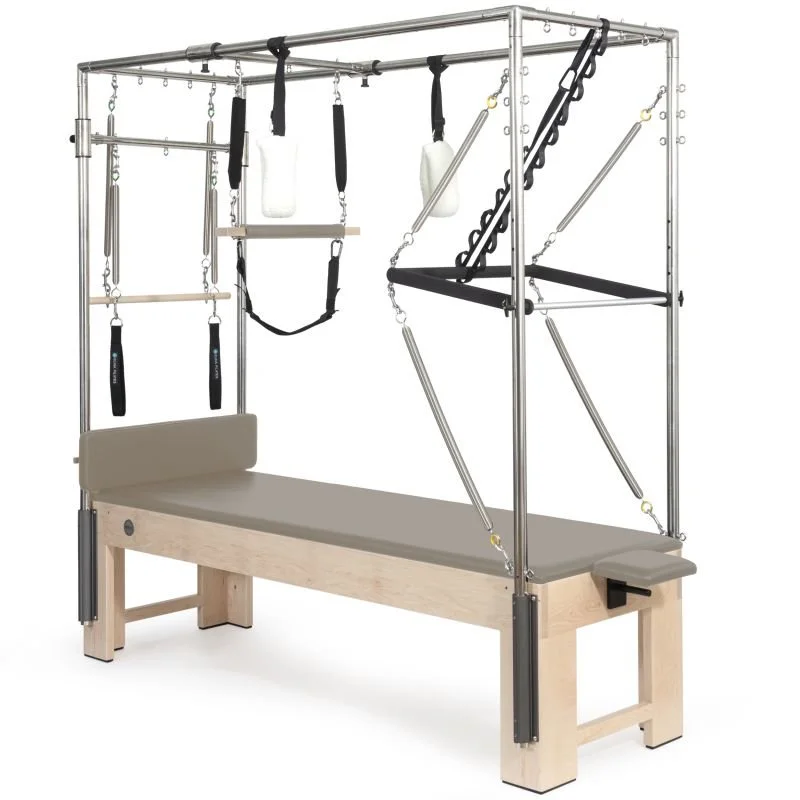
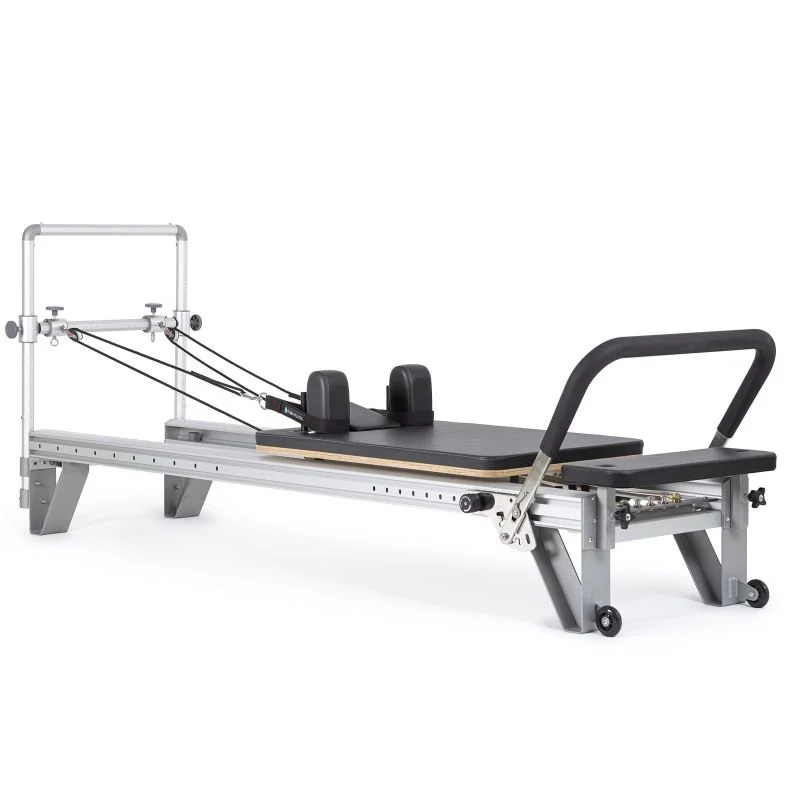
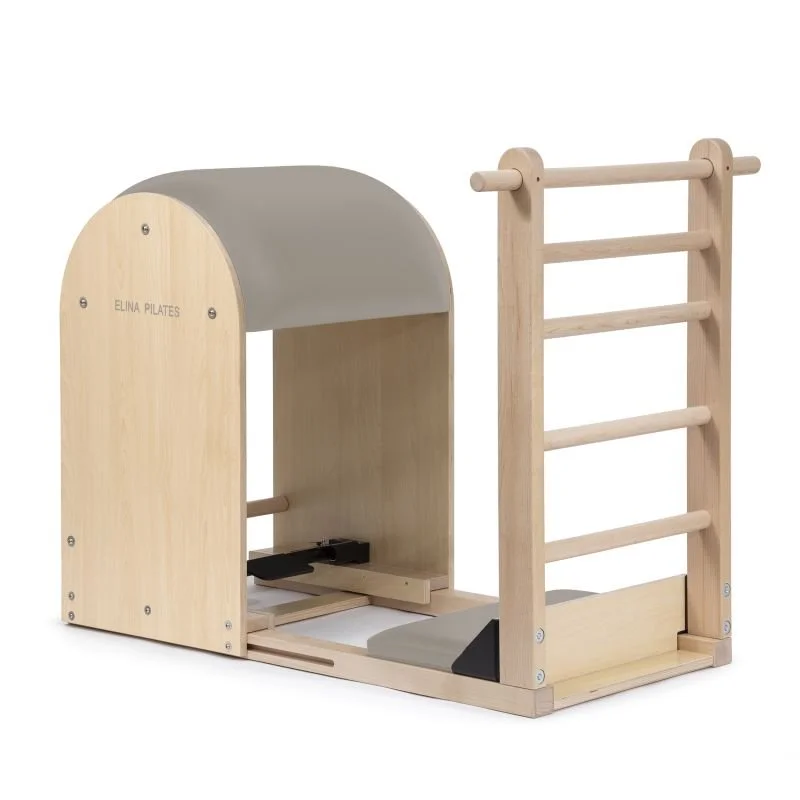
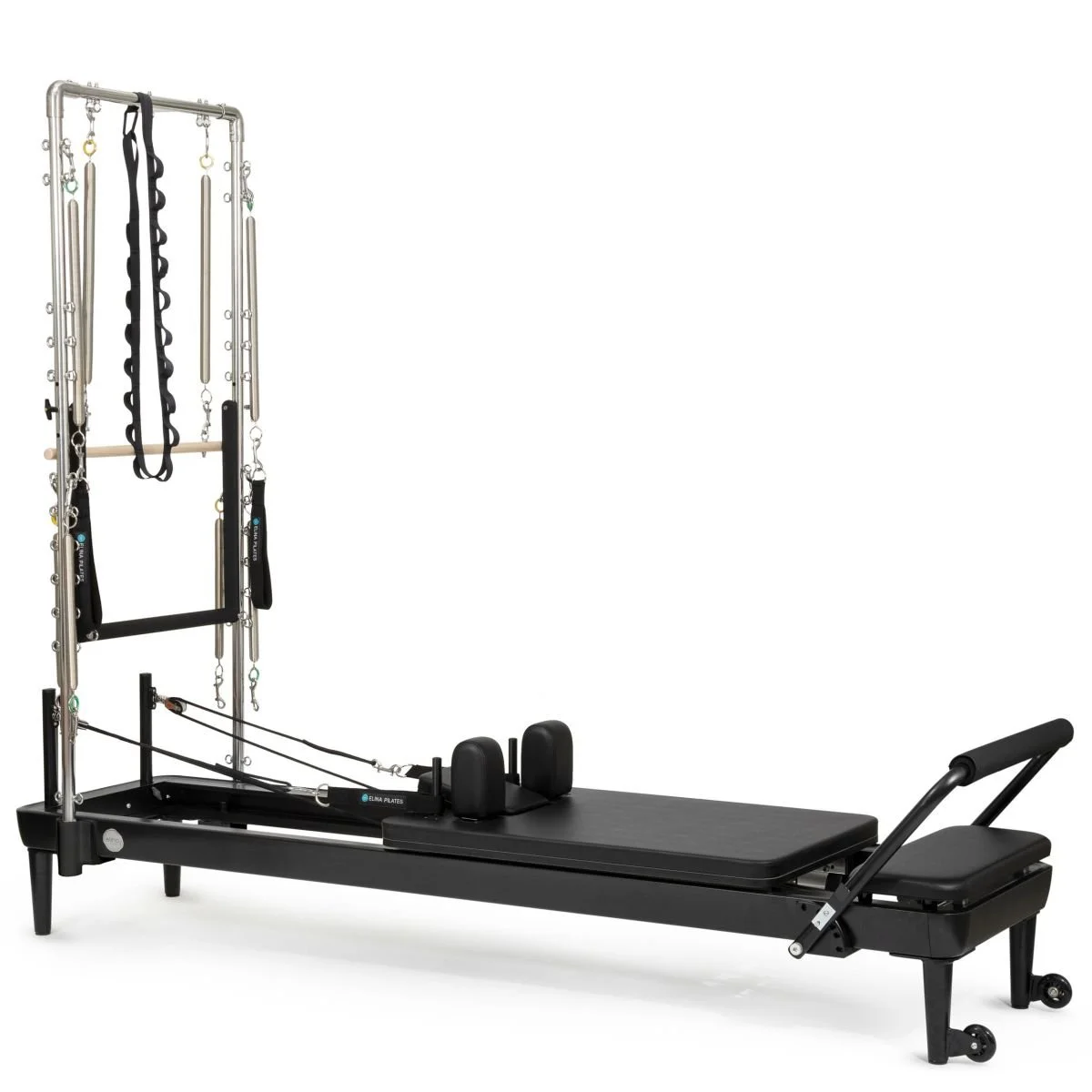
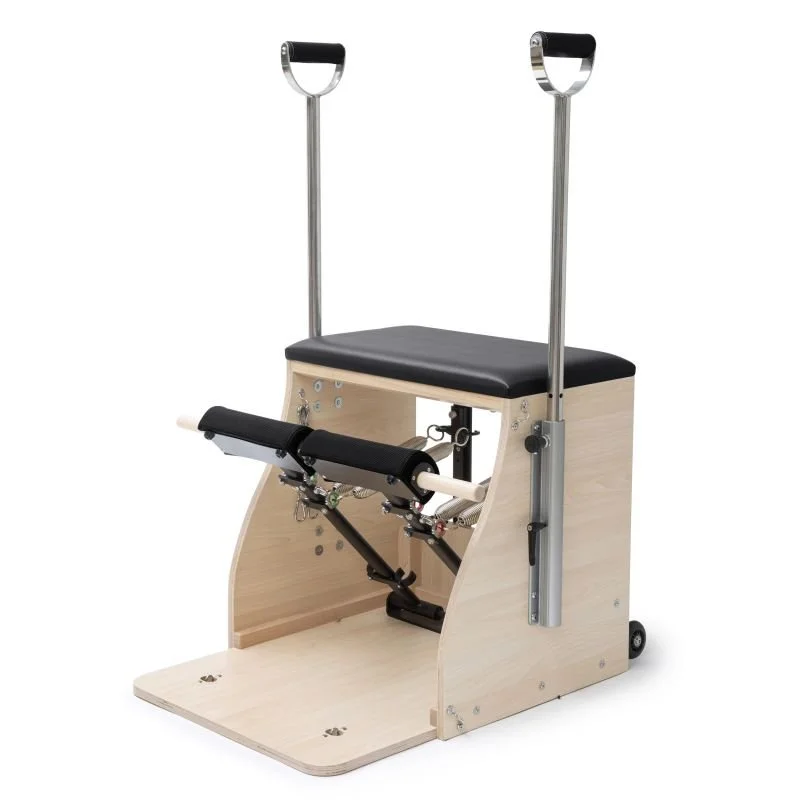
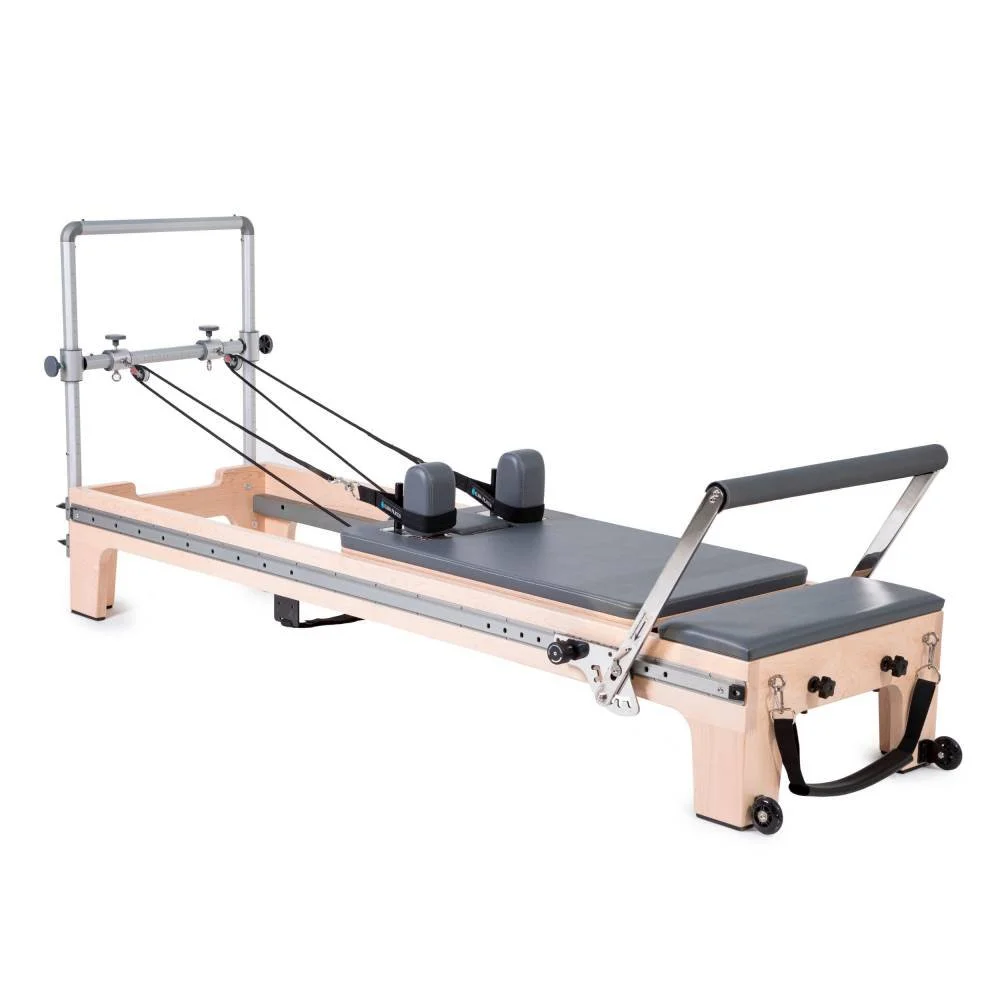
Explore equipment options
Quality Impacts Everything
Equipment quality directly determines:
User experience and client safety: Quality machines are designed using biomechanical and ergonomic principles that enhance user experience, ensuring client retention. Poor quality springs, unstable carriages, and poorly designed footbars create injury risks.
Your reputation: Equipment that frequently breaks down or feels unsafe for clients to use undermines credibility and directly impacts client renewals.
Long-term costs: Cheap equipment requires constant repairs and early replacement.
The Price-Quality Trap
When setting up a studio, cheaper equipment can seem like a smart way to manage initial investment. It's not. Here's why:
The true cost isn’t the purchase price - it’s the total cost of maintaining equipment over the following 5-10 years. Cheaper equipment typically leads to frequent breakdowns requiring repairs or replacement, poor user experience that impacts client retention, ongoing client safety concerns, and limited durability that cannot withstand daily commercial use
Elina Pilates equipment (Spain) offers what Sharat calls “a very advantageous price-quality ratio in the industry.” These machines are designed with emphasis on functionality, durability, and stringent quality control. The user experience rates high on both safety and comfort - crucial factors for client satisfaction and retention.
Getting the Mix Right
Equipment needs vary based on your studio model – a commercial, mini, or home studio.
The key is planning for both current needs and future expansion. A good way to go is to start with quality essentials and add as your client base grows.
Making Informed Choices
From entry-level reformers to commercial-grade equipment the range available is vast. The Zone’s equipment consultancy helps you navigate options based on your target clientele, available space and layout, budget and expansion plans, and the program offerings you plan to provide.
Explore equipment options or get in touch.
2. Instructors: Your Studio’s Most Critical Asset
As Anjali Sareen notes: “A successful studio requires skilled instructors along with innovative and varied program offerings. Following template programs or current trends will only lead to a constantly shifting client-base.”
This is where many studio owners make their biggest mistake. They invest heavily in beautiful spaces and quality equipment, then compromise on instructor quality.
Why Instructor Quality is Non-Negotiable
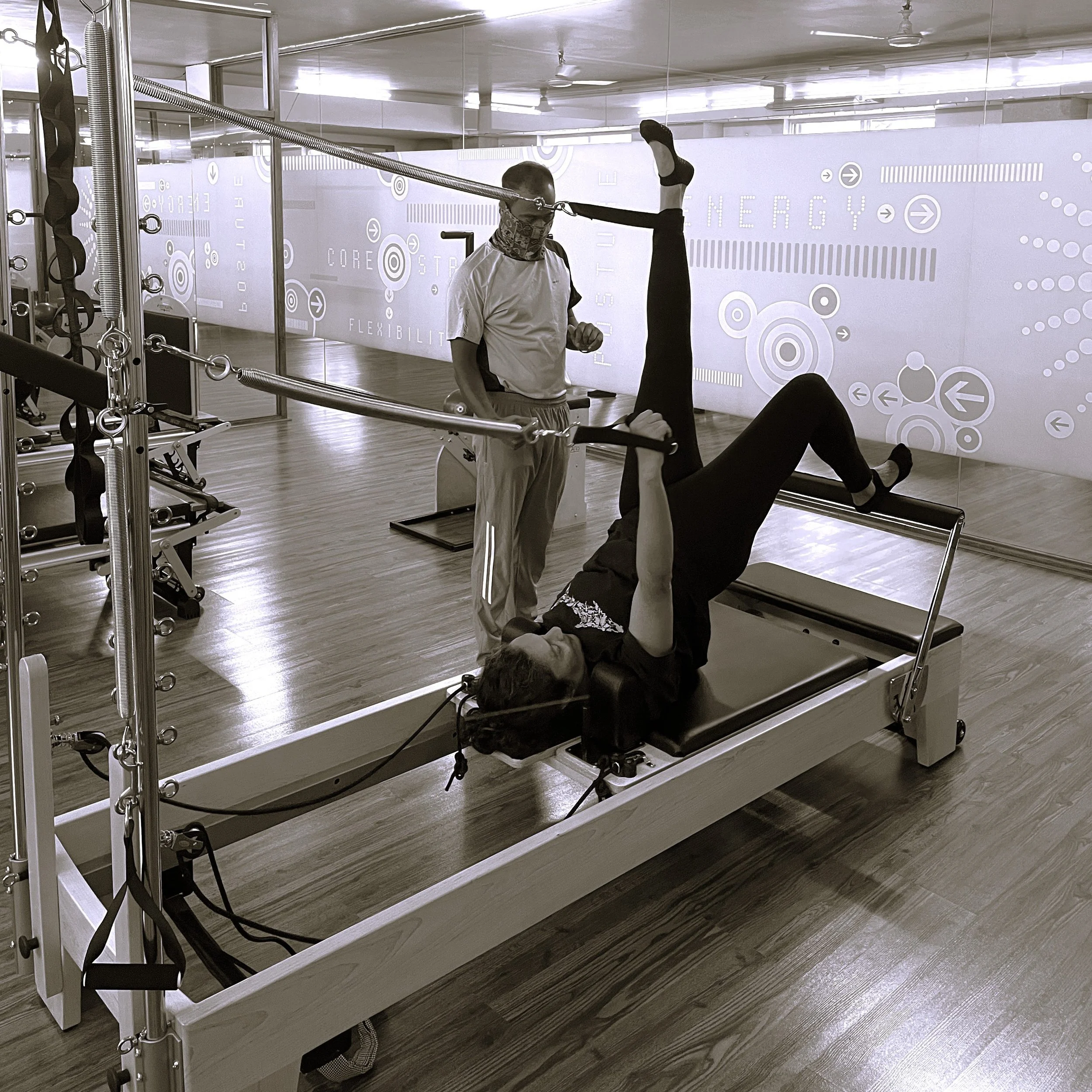
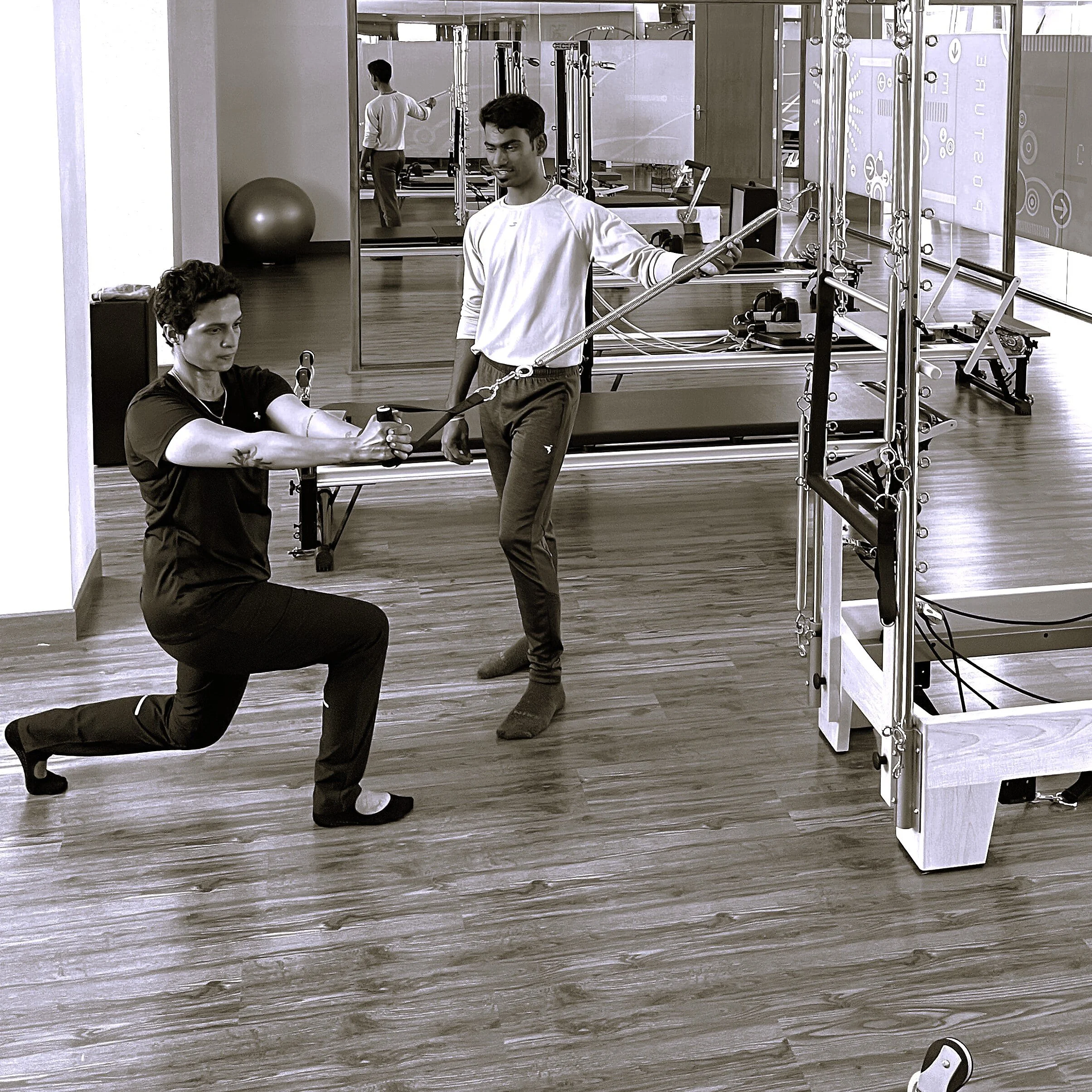
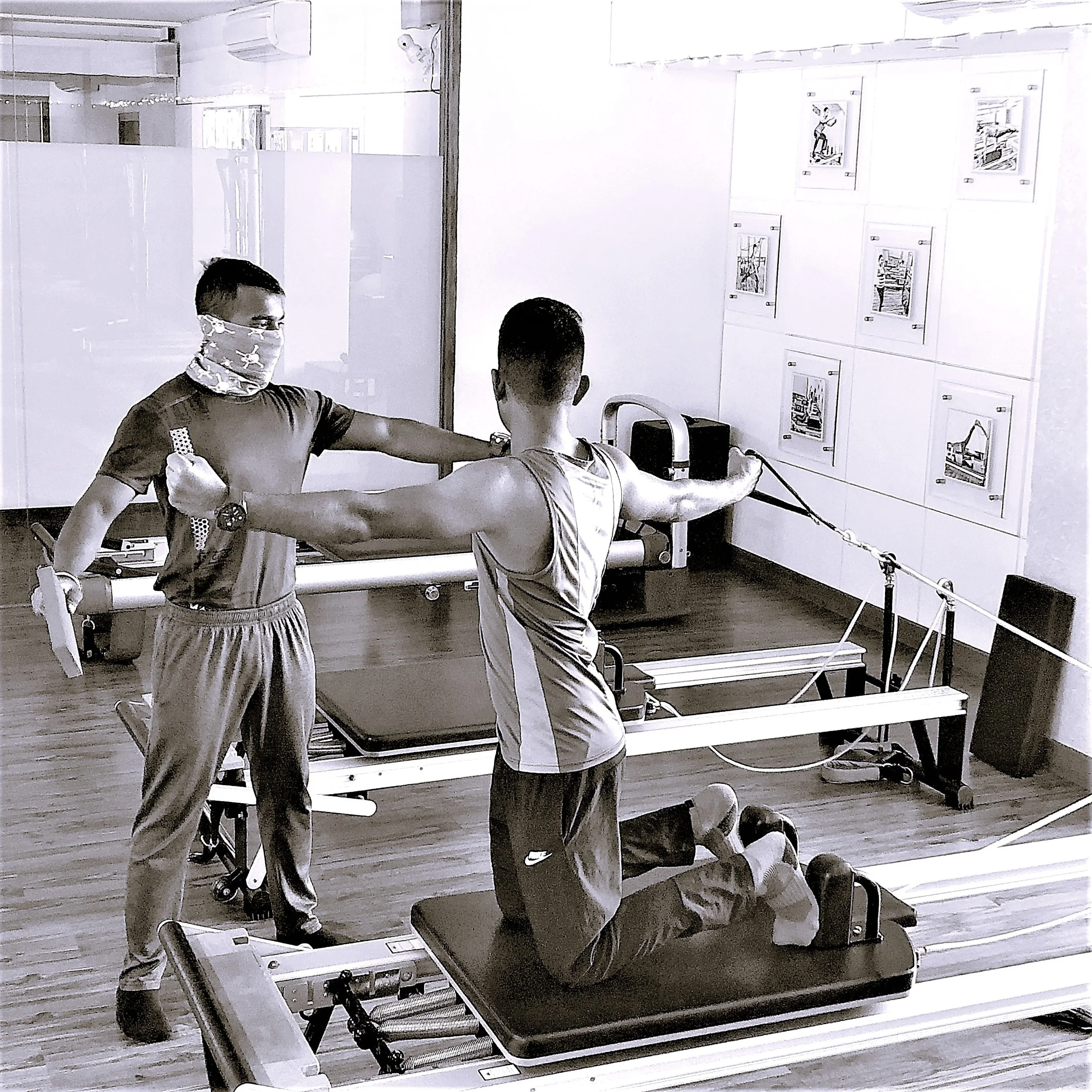
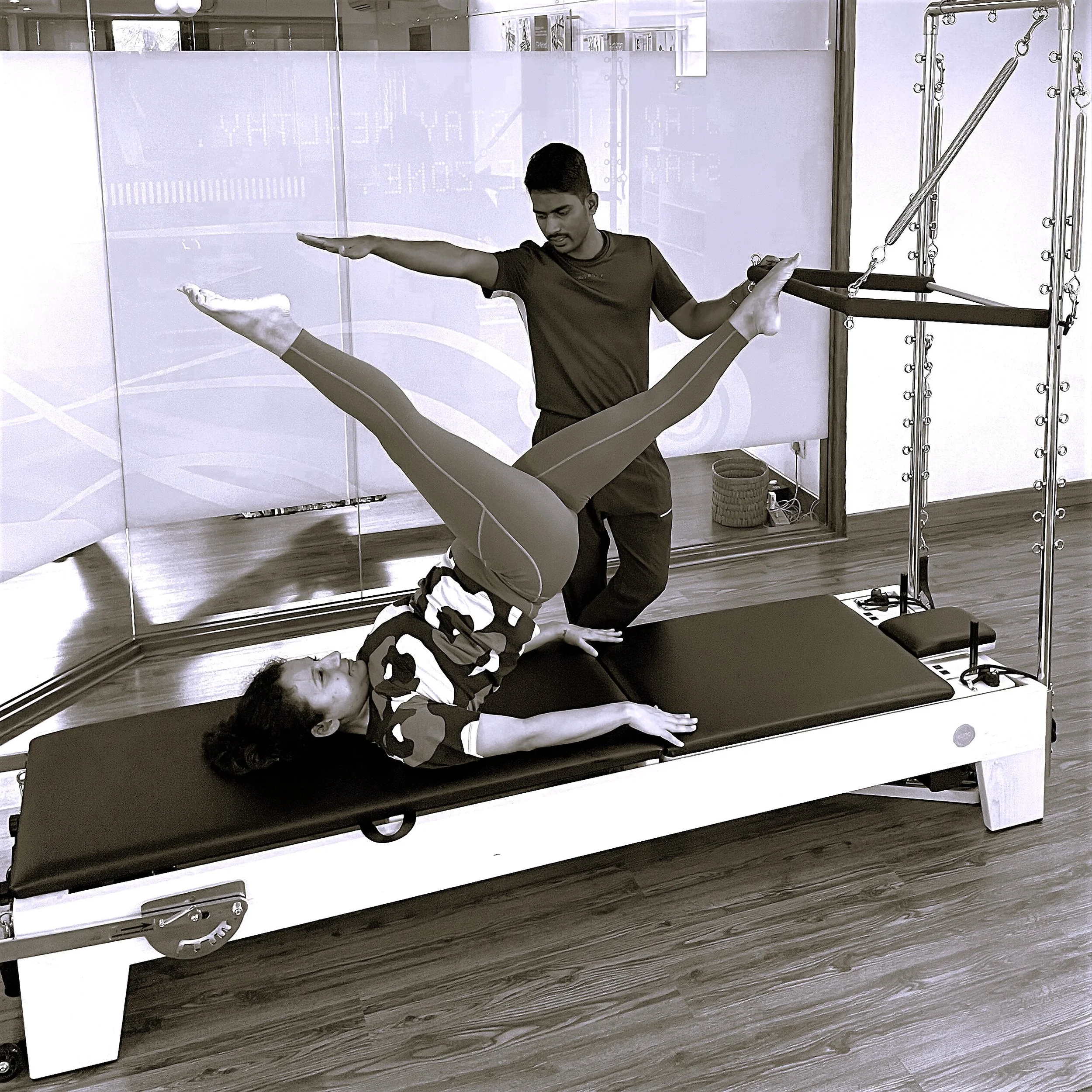
Teaching Pilates is not simply leading people through exercises. It requires:
Deep anatomical understanding: Instructors must understand movements, muscle engagements, and modifications for individual limitations or injuries.
Biomechanical knowledge: Understanding movement patterns, joint mechanics, and how to progress or regress exercises as needed is essential.
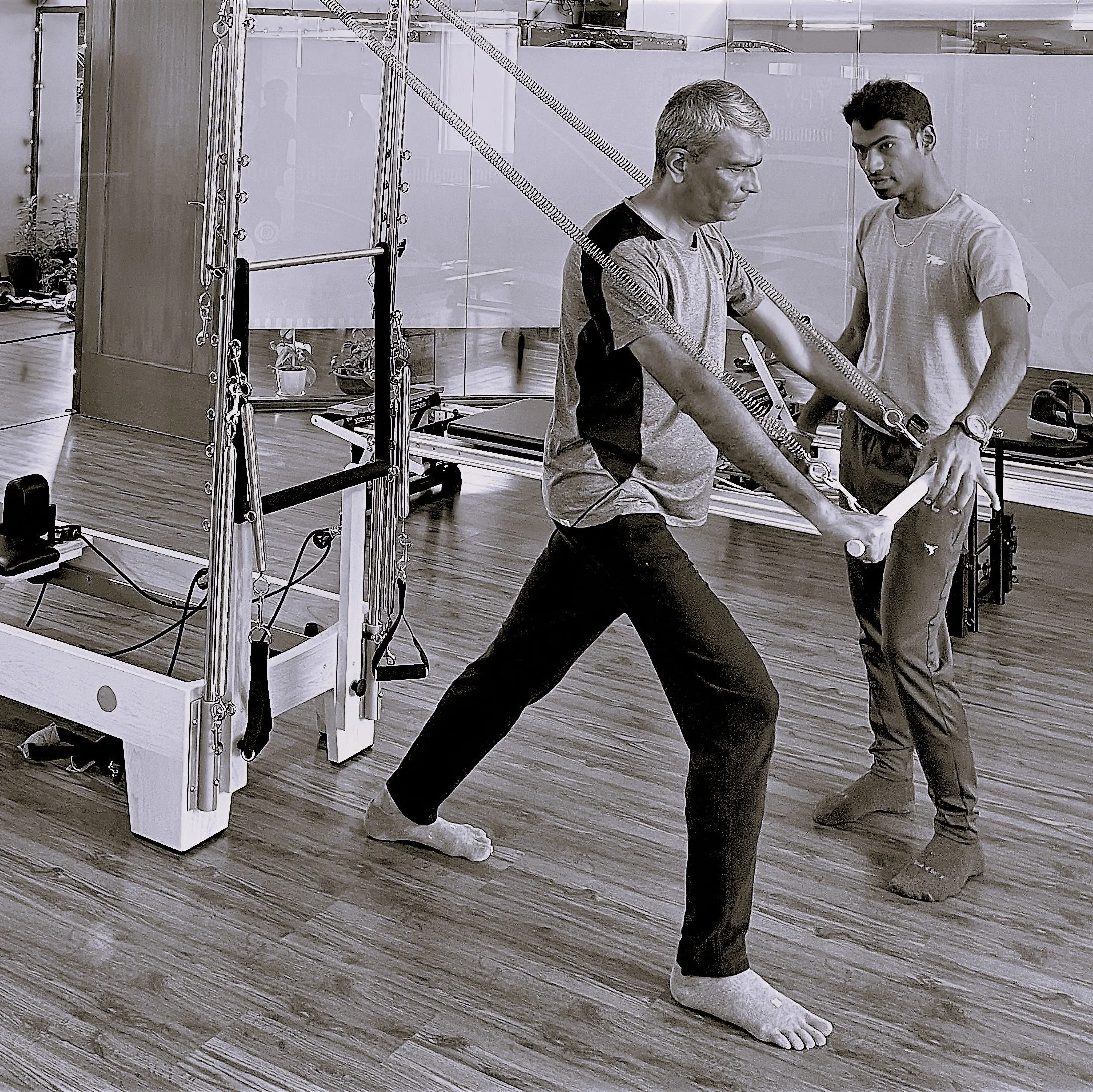
Equipment expertise and versatility: Each Pilates equipment allows for hundreds of exercises. It is crucial to understand adjustments and settings for different body types.
Programming skills: Effective Pilates isn’t a template, one-size-fits-all approach. Instructors must be able to design sessions based on specific needs, goals, and limitations while also progressing the client systematically.

Common Mistakes
One frequent assumption is cross-over capability from other disciplines: "I have a yoga / dance / gym training certification and experience - I can teach Pilates." These backgrounds can be good starting points, but they don't substitute for comprehensive Pilates training. Pilates requires understanding of precision, control, and functional movement patterns. The equipment mechanics, cueing language, and progression strategies are fundamentally different from disciplines such as yoga, dance, or gym training.
Another critical mistake is relying on online certification. Online Pilates certification is insufficient - period. Pilates equipment is fundamentally different from conventional gym machines. Tactile learning is essential - how springs feel at different tensions, how to safely spot clients, how to make subtle adjustments. Hundreds of exercises per piece of equipment cannot be effectively learned through videos. Safety protocols require supervised practice, and real-time feedback and correction which are impossible online.
Short 'intensive' courses that claim to cover beginner through advanced levels in just 2-4 days are equally insufficient. Comprehensive Pilates education cannot be condensed into a weekend. Understanding anatomy, biomechanics, equipment mechanics, exercise progressions, modifications for different populations, and programming skills requires sustained learning, practice, and refinement over months, not days. These rushed certifications may provide exposure to concepts, but they don't create competent instructors capable of safely assessing clients and designing effective programs. True mastery requires time for material to be absorbed, practiced under supervision, and integrated into teaching practice.
Hands-on training under experienced supervision is non-negotiable.
What to Look for in Instructors
Comprehensive Certification: Look for training programs that include hands-on equipment training, extensive foundation principles and biomechanics, observation and practice teaching, and program designing.
Continuing Education: Pilates is an evolving field. Instructors should regularly attend workshops and courses to stay updated and learn new material. Relying on social media for new material is unsafe and incomplete – there’s no quality control or verification of techniques shared online.
Building Your Instructor Team
Quality over quantity – always. Start with 1-2 well qualified instructors rather than a large team of mediocre ones.
As Anjali emphasizes, skilled instructors who can deliver innovative, varied programming will build your client base far more effectively than those who follow template programs or chase trends. Your instructors are the face of your studio and the primary reason clients return or leave.
The Zone offers comprehensive instructor training and certification programs, along with continuing education to help you upskill your team as your studio grows.
Learn more about The Zone's Education Programs or contact us
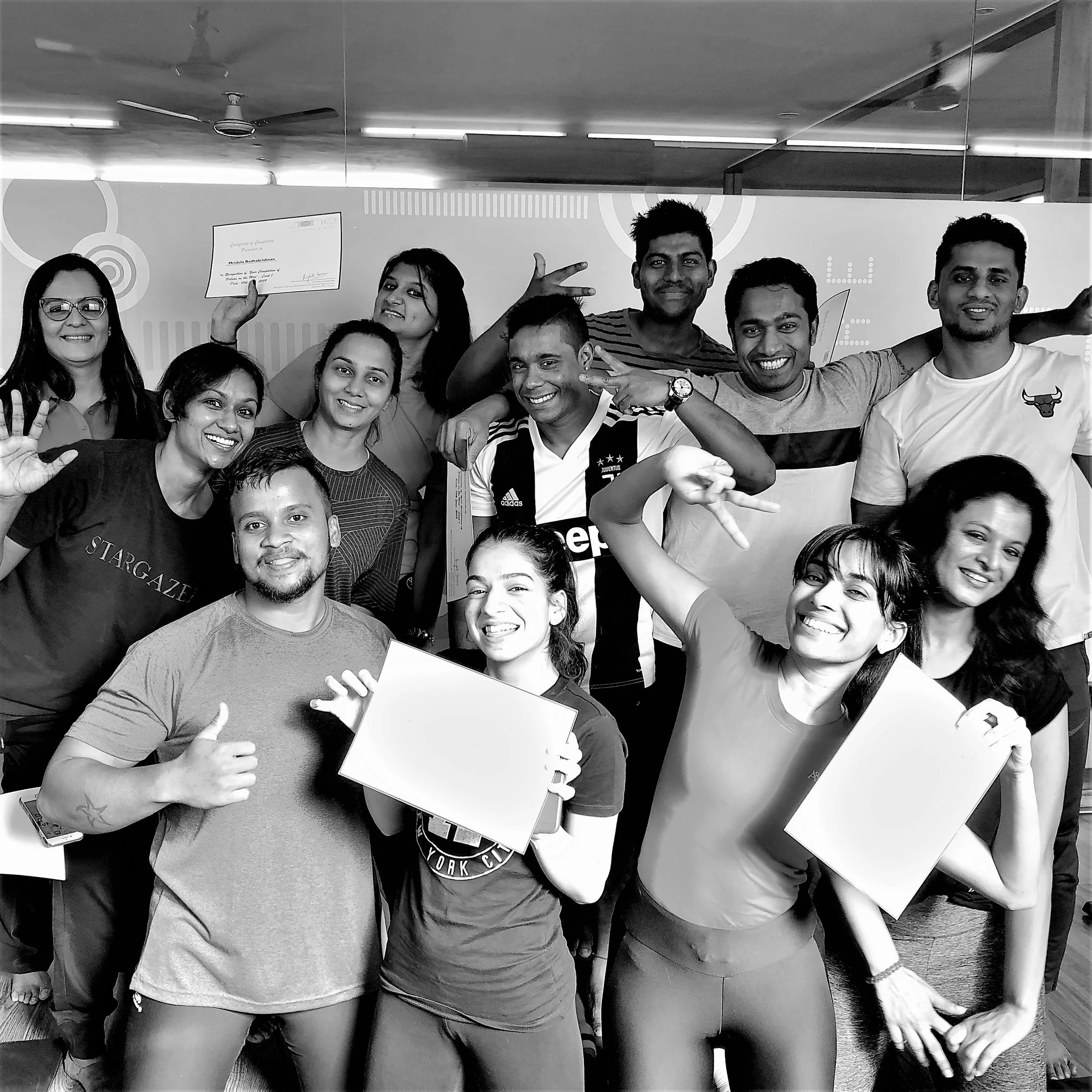
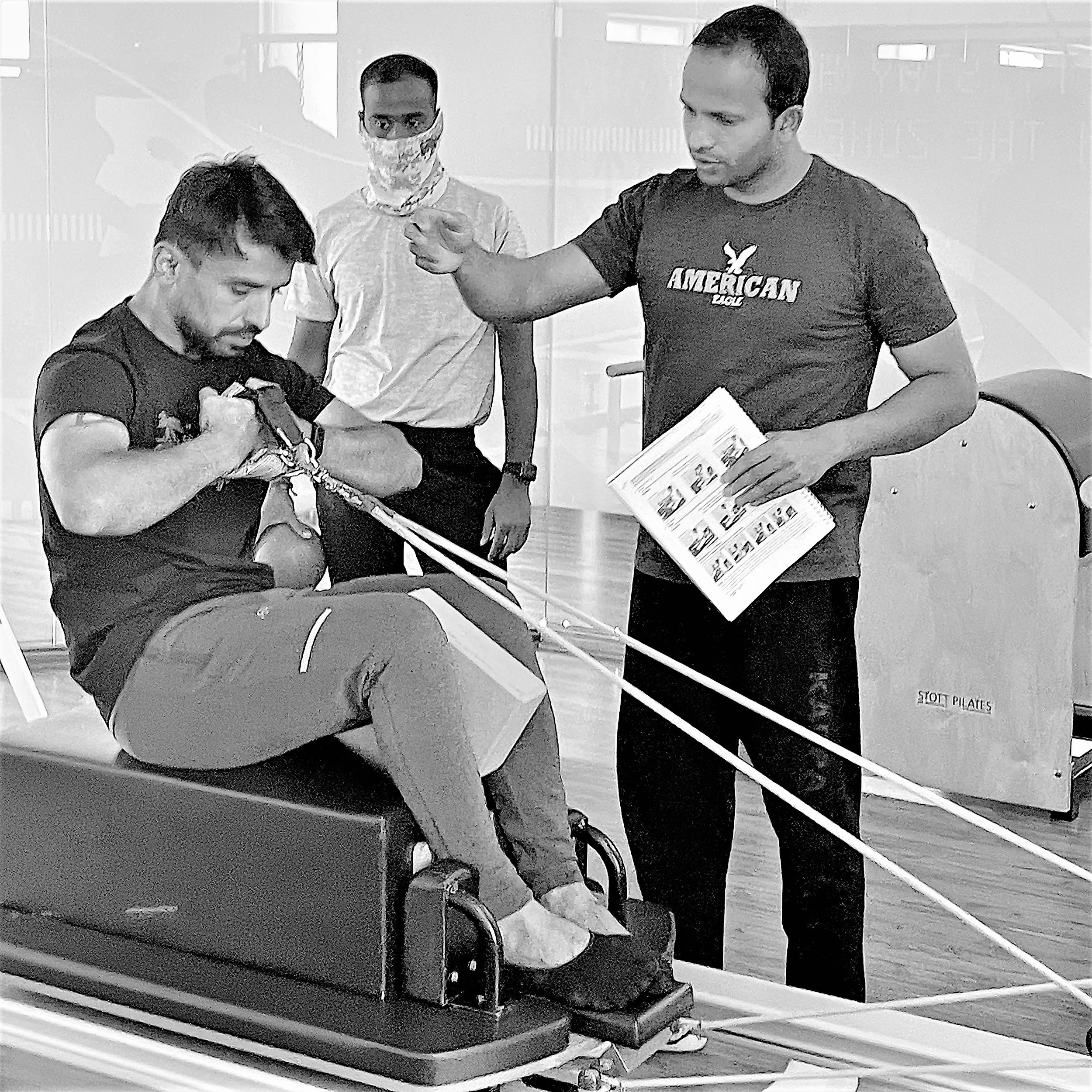
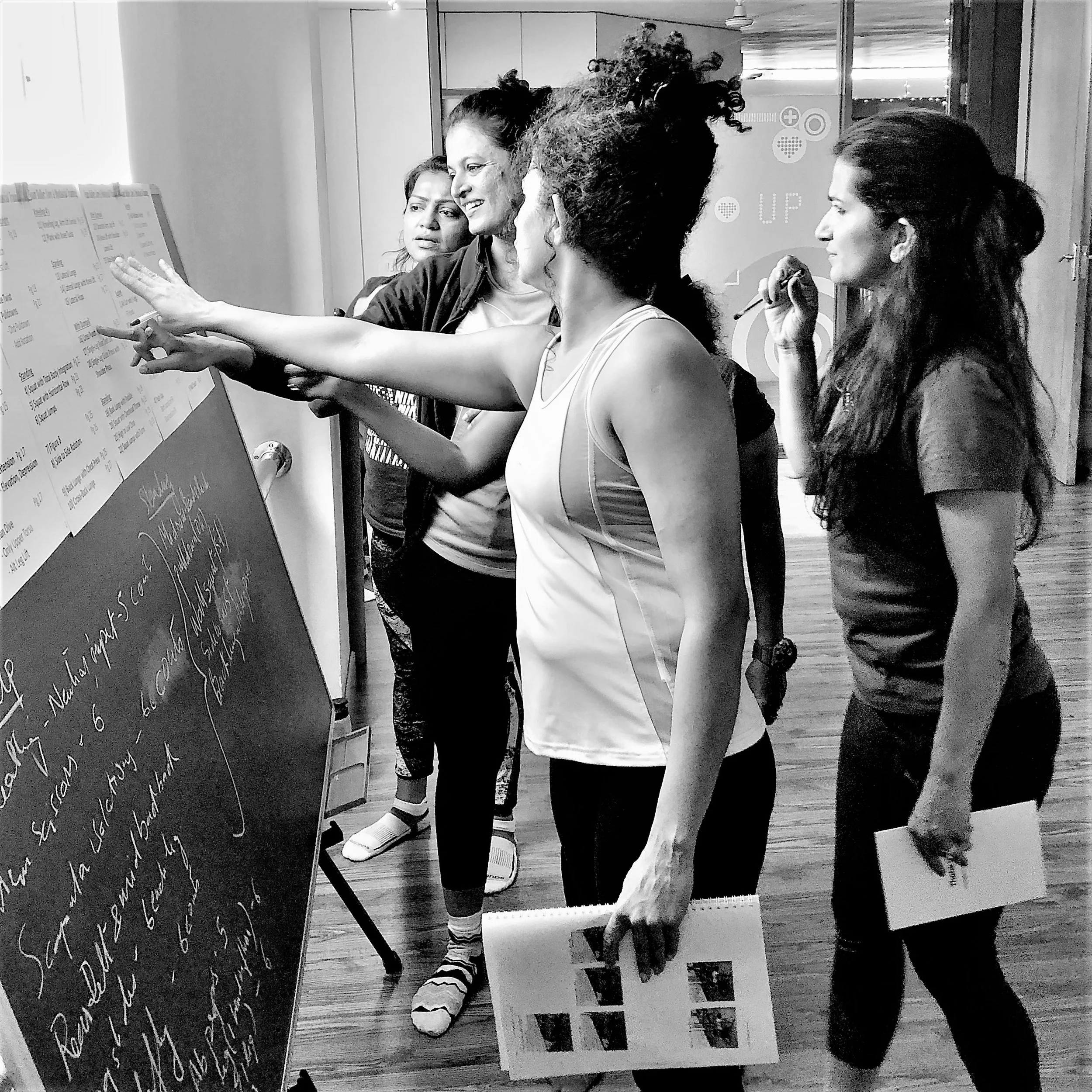
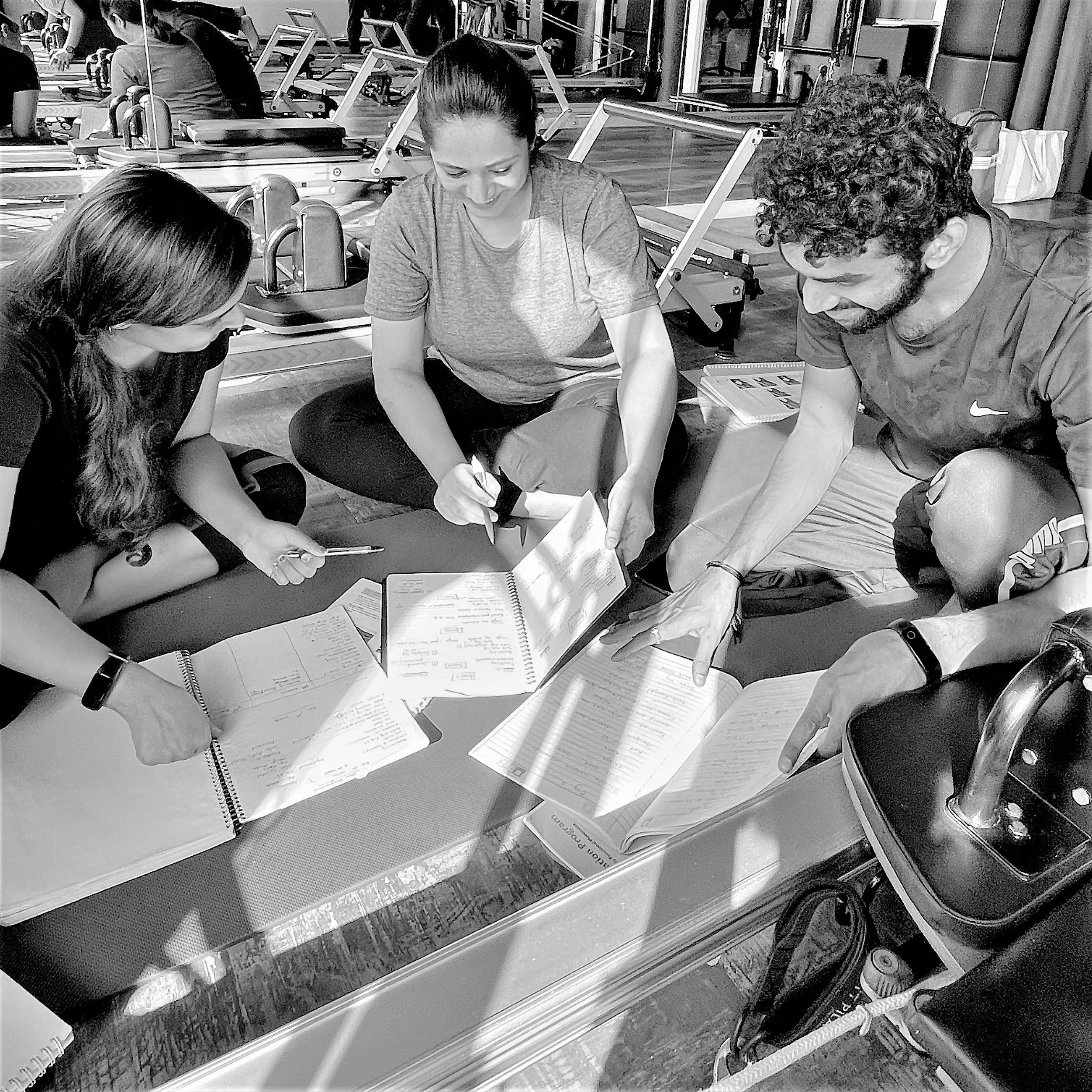
Success Requires Expertise
After three decades in the industry and twenty years pioneering Pilates in India, the Sareens have seen countless studios open. Some thrive. Many struggle. The difference rarely comes down to passion - most studio owners have that in abundance.
The difference is expertise.
Successful Pilates studios share three non-negotiable foundations:
- Quality equipment that prioritizes safety and delivers exceptional user experience
- Properly trained instructors who can assess clients, design effective programs, and deliver results
- Innovative, varied programming that builds loyalty rather than chasing trends
The Sareens' approach is distinctive because it's rooted in actual experience, not theory. They've identified what works through decades of practice, not guesswork.
Whether you're pursuing a passion project, expanding an existing facility, or making a strategic investment, professional guidance can mean the difference between a studio that survives and one that truly thrives.
The Zone’s approach delivers measurable results. Consider two recent examples:
Mini Studio Success: A studio owner started with a single reformer based on The Zone’s guidance. Within four months, client demand grew to the point where they added a second reformer and tower units for both machines – exactly as planned in the initial expansion roadmap.
Commercial Studio Growth: Another client launched with four reformers. Strong client retention and word-of-mouth referrals (driven by their Zone-trained instructors) led them to expand within six months, adding two more reformers, towers, and three chairs.
In both cases, the studio owners completed comprehensive training at The Zone and received guidance on equipment selection, instructor quality standards, and program development. More importantly, they avoided the costly mistakes that derail many new studios.
Ready to Build It Right?
The Zone offers comprehensive consultancy services covering:
- Equipment selection and sourcing with advantageous price-quality ratios
- Instructor training through proven certification programs
- Program development and marketing strategy
- Ongoing support as your studio grows
Explore The Zone's Consultancy Services
Or contact Sharat Sareen directly at +91 98453 91006 to discuss your studio vision.